How a Monolithic ICF Pour Helps Prevent Rodents and Pests in Winter
How a Monolithic ICF Pour Helps Prevent Rodents and Pests in Winter
Rodents and pests don’t find their way into homes by accident. They exploit predictable weaknesses in traditional construction—especially during winter, when warmth and shelter are scarce. One of the most effective ways to eliminate those vulnerabilities is through a monolithic pour using Insulated Concrete Forms (ICF).
At ICF Walls of the Ozarks, our monolithic pour method is designed to remove the structural access points pests rely on, rather than trying to seal them after the fact.
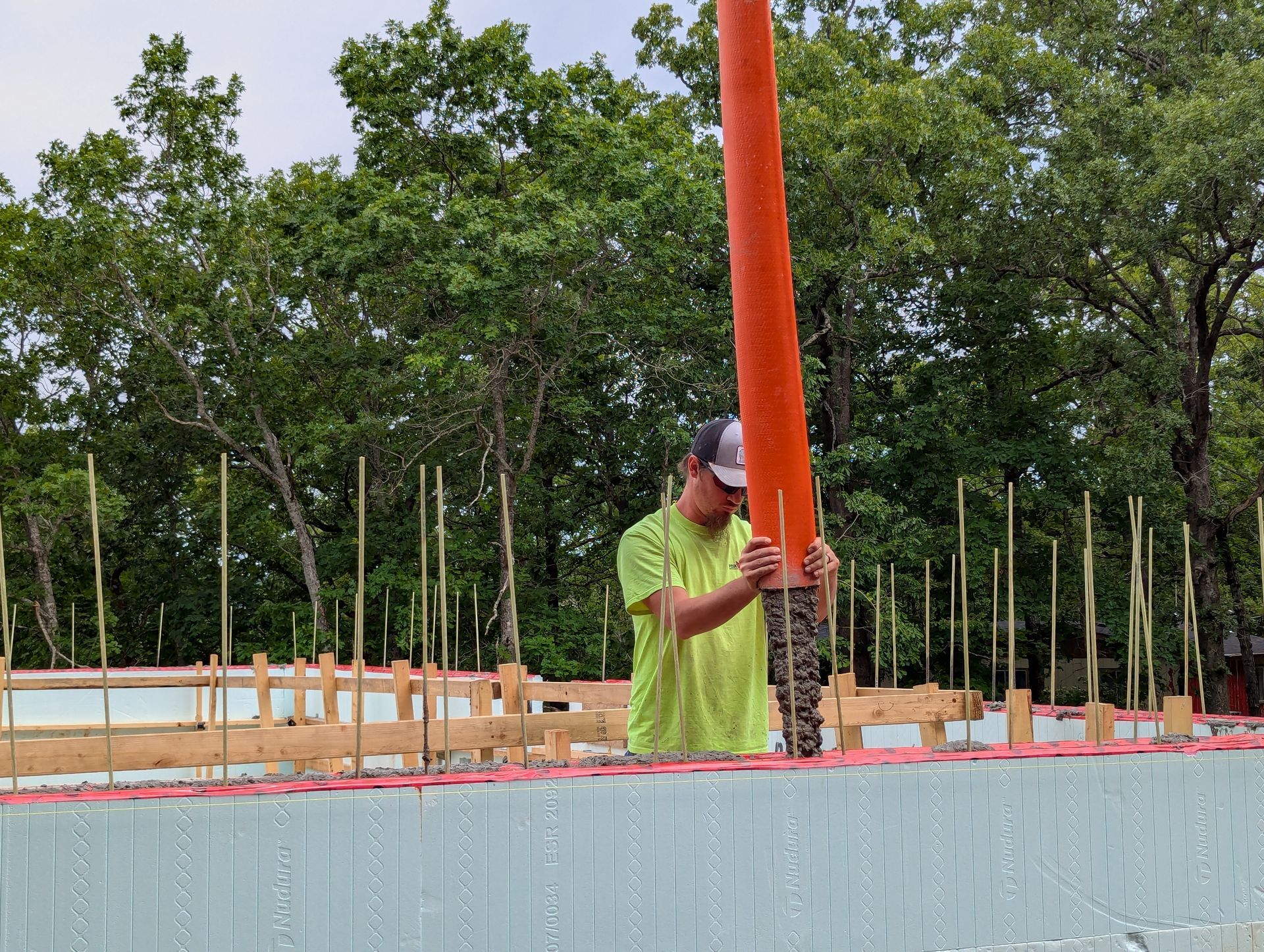
What Is a Monolithic Pour—and Why Does It Matter for Pest Resistance?
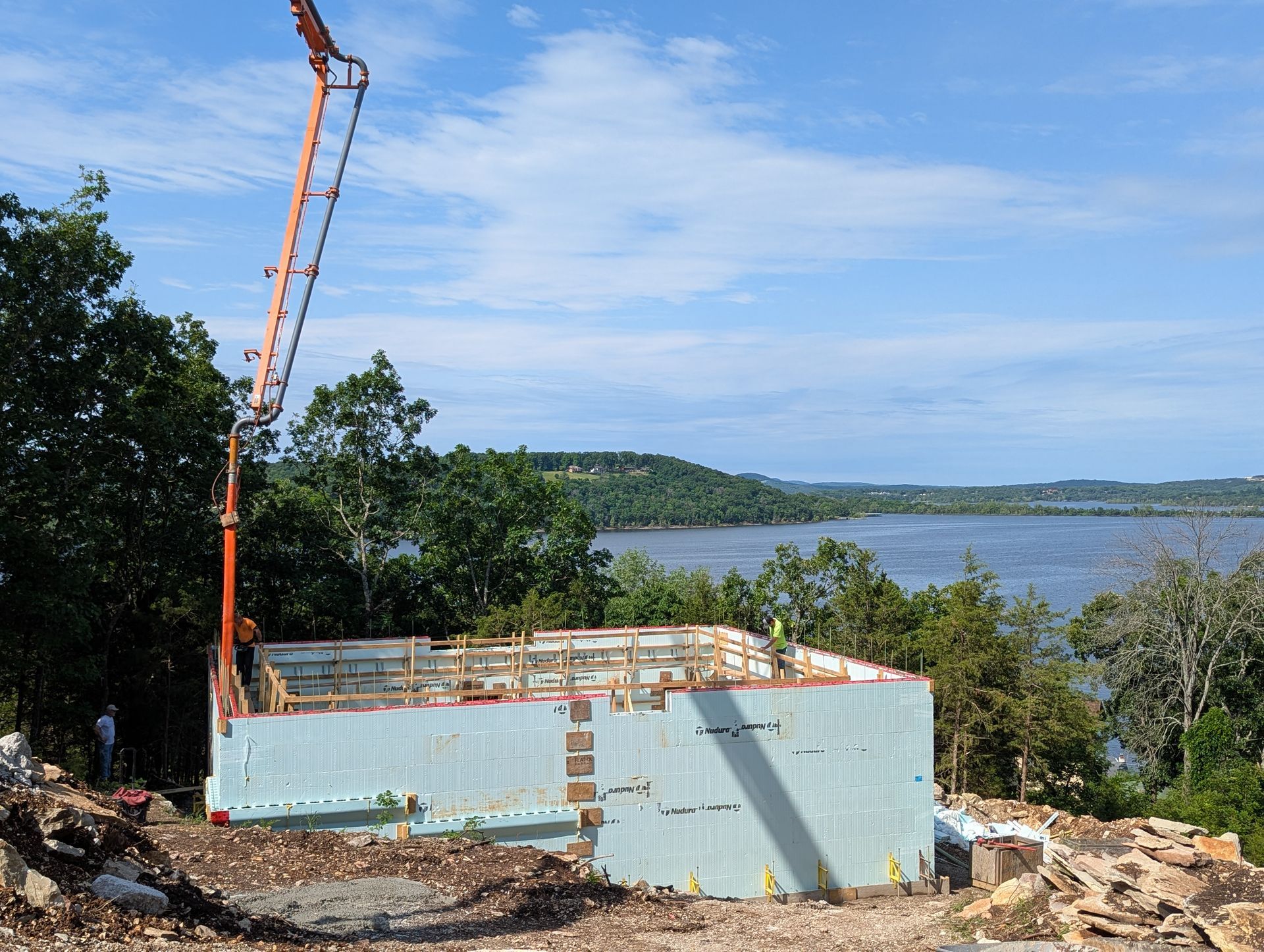
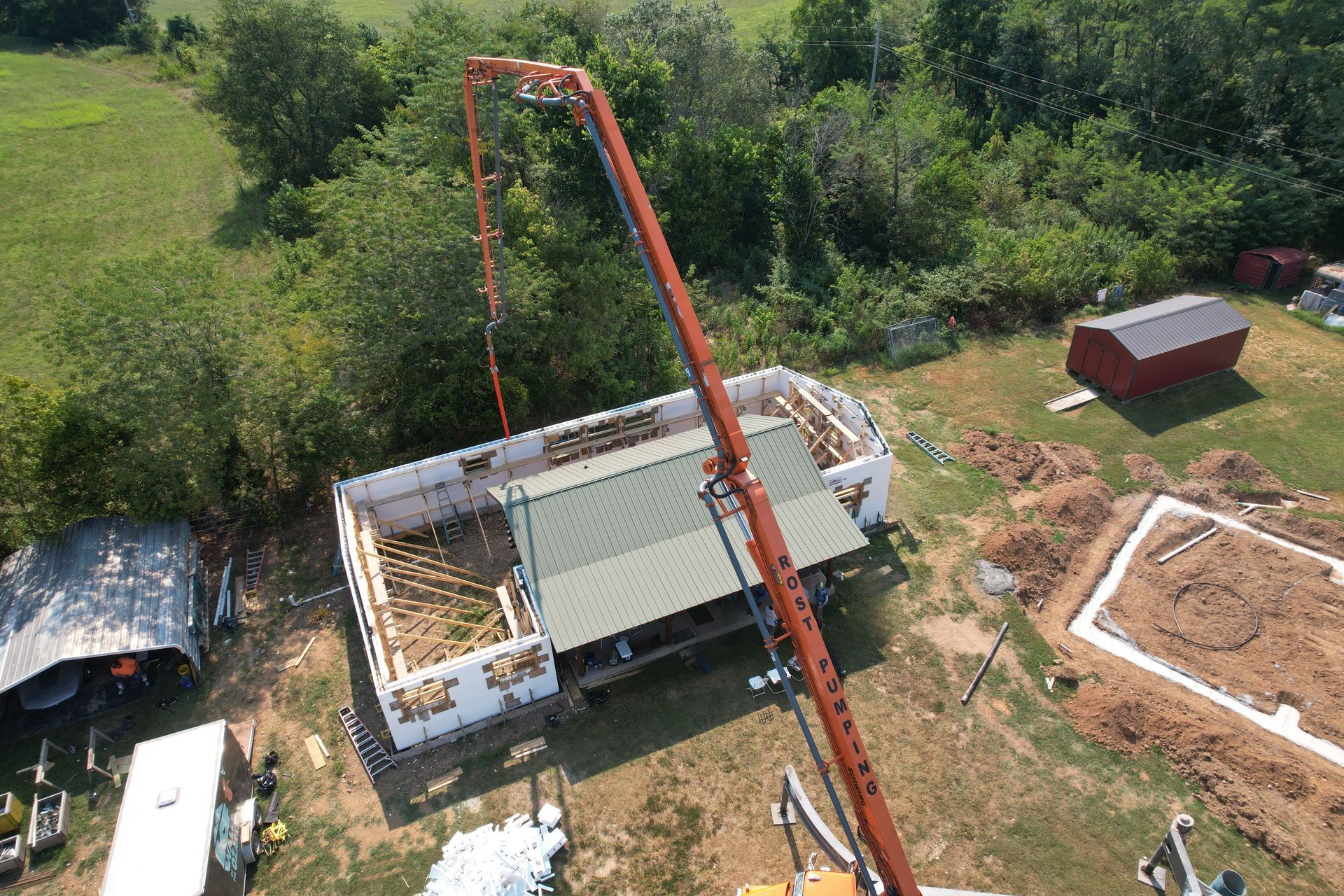
A monolithic pour in ICF construction means creating a continuous, reinforced concrete wall system with no breaks, seams, or material transitions that pests can penetrate.
ICFs are stacked foam forms reinforced with steel rebar and filled with concrete. When the walls and footing are poured together monolithically, the concrete cures as a single, unified structure. This matters because rodents do not enter homes through finished surfaces—they enter through structural discontinuities.
Traditional framing is full of them.
Why Winter Exposes Weaknesses in Traditional Framing
In cold months, rodents and pests actively seek:
- Stable temperatures
- Enclosed nesting areas
- Hidden travel paths inside walls
Wood-framed homes provide all three. Rim joists, sill plates, and stud cavities create layered assemblies with gaps that shift as materials expand and contract. These areas are notoriously difficult to air seal and almost impossible to monitor once finishes are installed.
Once pests enter these cavities, they can move freely, nest undetected, and cause long-term damage.
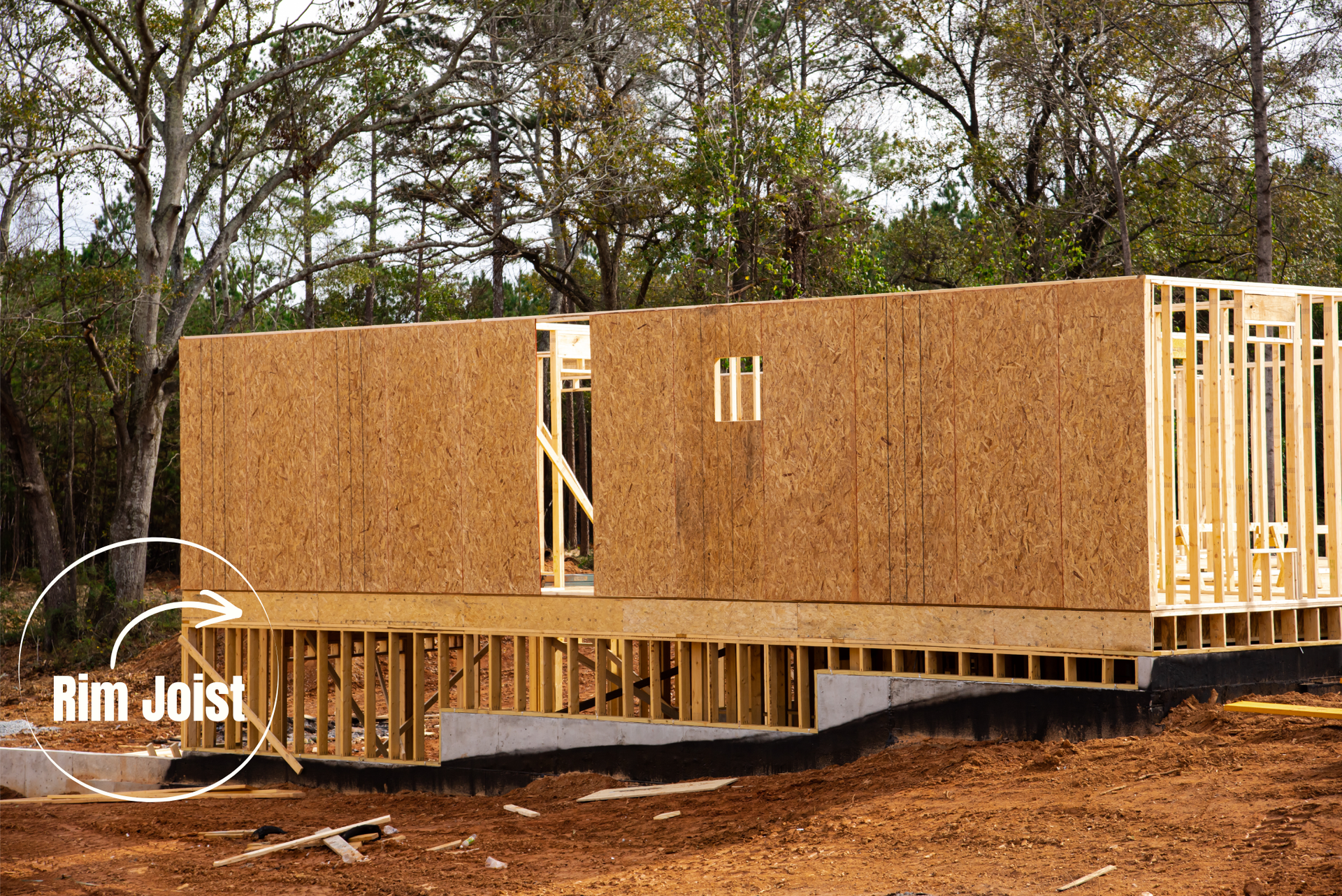
The Rim Joist: A Common Pest Entry Point in Traditional Homes
The rim joist is a common vulnerability in conventional home construction. Located between the foundation and the first floor framing, it is typically built from layered wood components—an assembly that can allow gaps, shrinkage, and hidden cavities to develop over time.
In contrast, a monolithic ICF wall system removes the traditional rim joist cavity entirely. Instead of a hollow wood band board:
- The reinforced concrete wall remains continuous behind the floor system
- There is no concealed rim cavity for nesting or travel
- Structural connections are anchored directly to concrete, not hollow framing
- Any wood components are isolated and visible, not layered into the wall system
This single design difference dramatically reduces winter pest infiltration by eliminating one of the most common structural entry points in wood-framed homes.
Why Rodents Can’t Exploit a Monolithic ICF Wall
Rodents are persistent, but they rely on materials they can manipulate. A monolithic ICF wall removes those opportunities.
- Concrete and steel rebar cannot be chewed
- Foam insulation contains no nutritional value
- No hollow wall cavities exist for nesting or travel
Because the wall is continuous from footing to roofline, pests are forced to remain outside the structural envelope of the home rather than migrating into it.
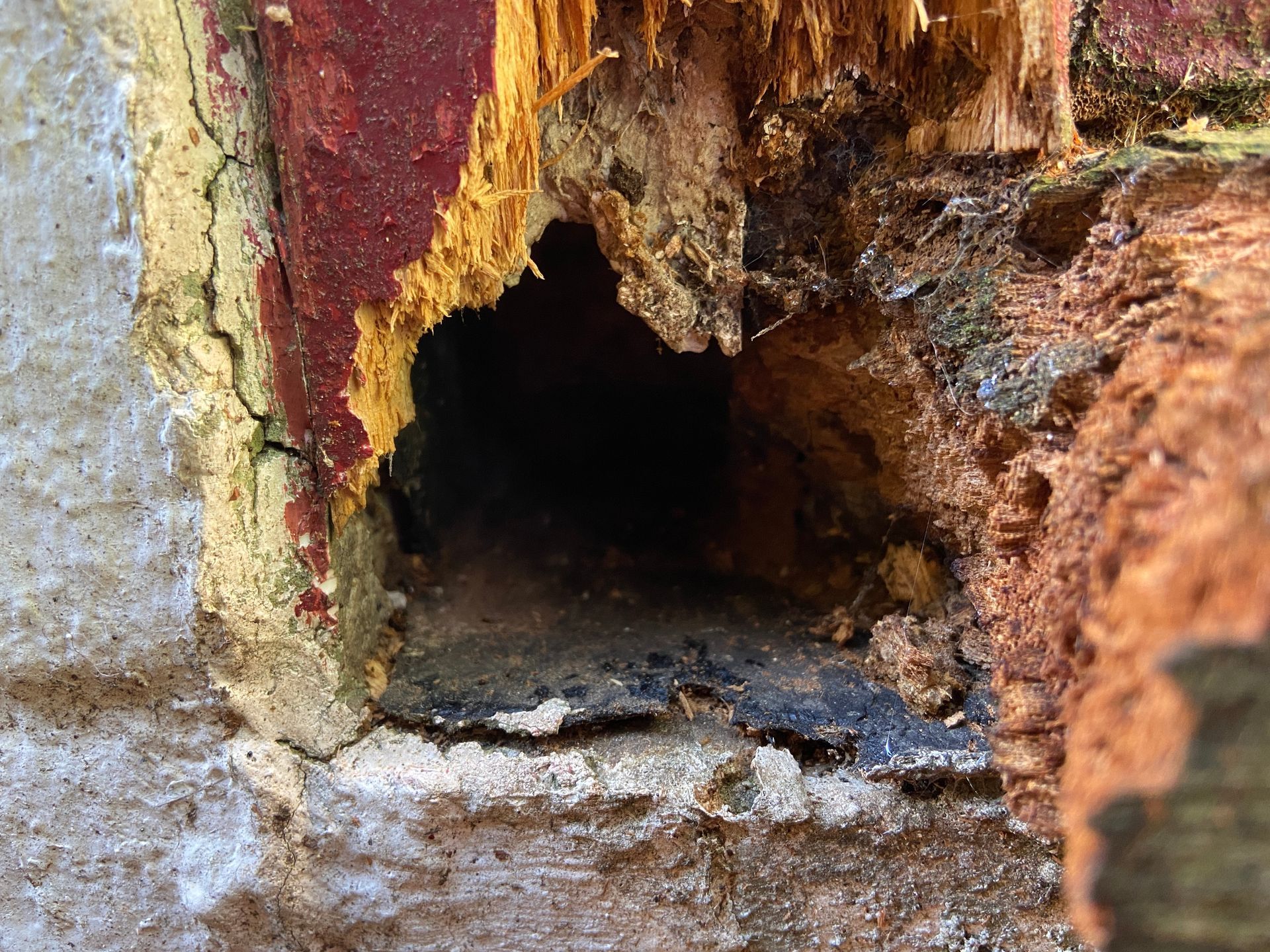
Long-Term Benefits for Homeowners
Preventing pest entry at the structural level leads to:
- Fewer infestations over the life of the home
- Reduced need for chemical pest control
- Better indoor air quality
- Less damage to wiring, insulation, and finishes
This isn’t a temporary fix or an added product—it’s a result of how the home is built from the ground up.
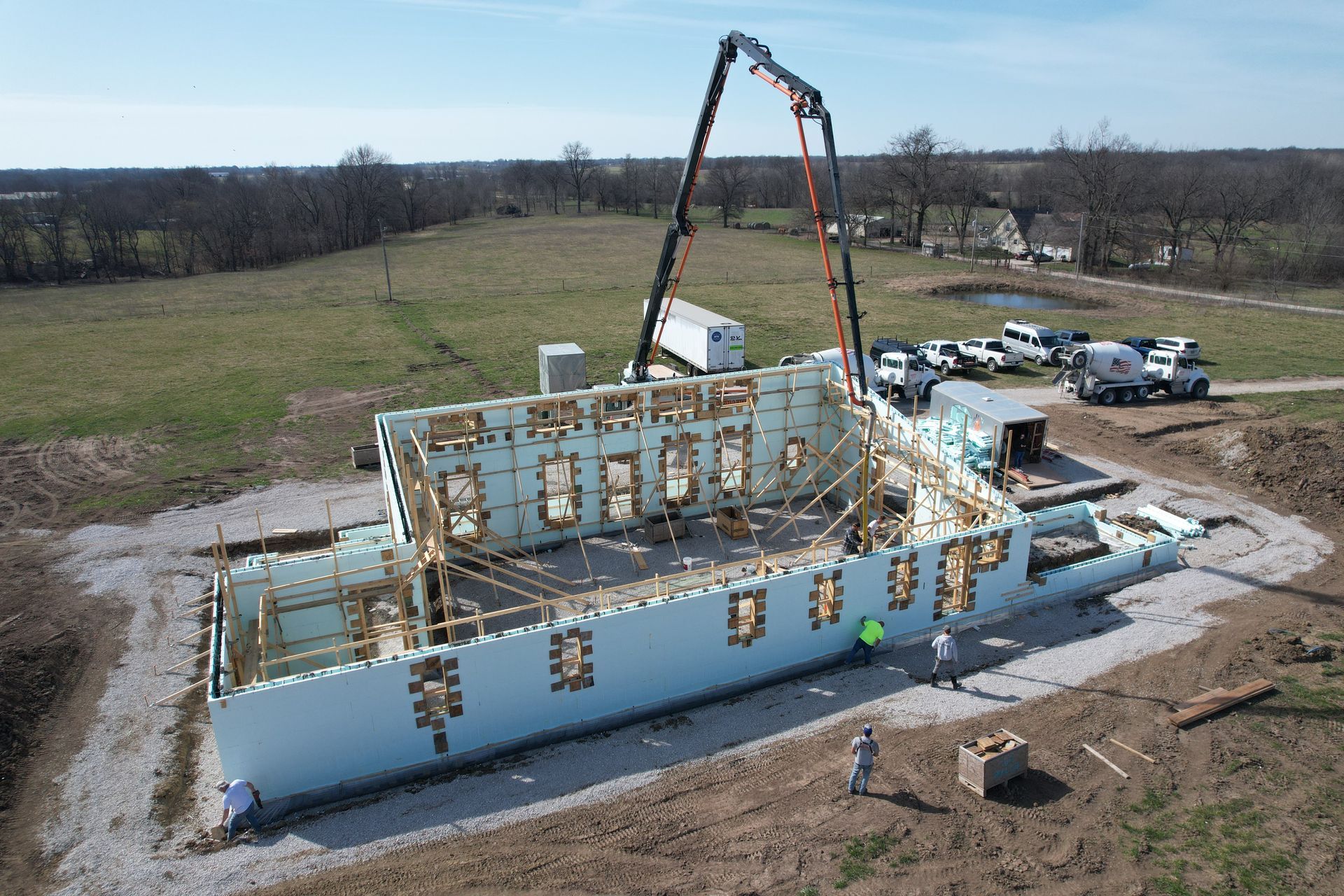
Why ICF Walls of the Ozarks Builds This Way
Our monolithic pour method isn’t just about strength or energy efficiency—though both play a major role in making our ICF homes durable, comfortable, and energy-smart. It’s about eliminating known failure points in traditional construction and replacing them with a continuous system designed to perform under real-world conditions.
By building continuous, reinforced concrete walls, we create homes that are more resilient, more comfortable, and far less inviting to rodents and pests—especially when winter sets in.
Ready to Build a Legacy? Let’s Talk.
If you’re early in the planning process and exploring construction options, a conversation can help clarify what’s possible.
Contact us today to schedule a free, no-obligation project consultation to talk through your ideas, ask questions, and learn how a monolithic ICF system could support your long-term goals.