Designing a Fireplace That Works in an ICF Home
Designing a Fireplace That Works in an ICF Home
Practical Guidance for Comfort, Control, and Performance in the Ozarks
Fireplaces are deeply rooted in Ozarks and Midwest home design. For many homeowners, a wood-burning or gas fireplace isn’t just about heat—it’s about comfort, gathering, and lifestyle.
If you’re planning an Insulated Concrete Form (ICF) home, you may hear conflicting advice:
- “You can’t have a fireplace in an ICF home.”
- “It’ll make the house unbearably hot.”
- “High-performance homes and fireplaces don’t mix.”
The truth is: You can absolutely have a fireplace in an ICF home—but—it needs to be designed differently than it would in a conventional house.
This guide focuses on the practical side of fireplace design in ICF homes: how heat behaves, what options work best, and how to choose a fireplace that fits your home and your lifestyle.
Why Fireplaces Feel Different in ICF Homes
ICF homes perform very differently from conventional wood-frame homes, especially in winter.
A high-performance envelope changes everything.
ICF walls combine two layers of continuous EPS insulation with a reinforced concrete core, creating an airtight assembly that dramatically reduces heat loss and air infiltration. In Ozarks winters—where cold snaps, wind, and rapid temperature swings are common—this creates exceptional comfort and efficiency. But it also means:
Any heat you add to the home stays in the home much longer.
Fireplaces and wood-burning appliances introduce a large amount of heat in a short period of time.
In an ICF home:
- Heat doesn’t bleed out through walls
- Drafts don’t offset output
- Temperature changes are slower to reverse
So indoor temperatures can rise quickly and stay elevated long after the fire burns down. This isn’t a flaw. It’s the same performance that keeps ICF homes warm and stable during winter storms and power outages.
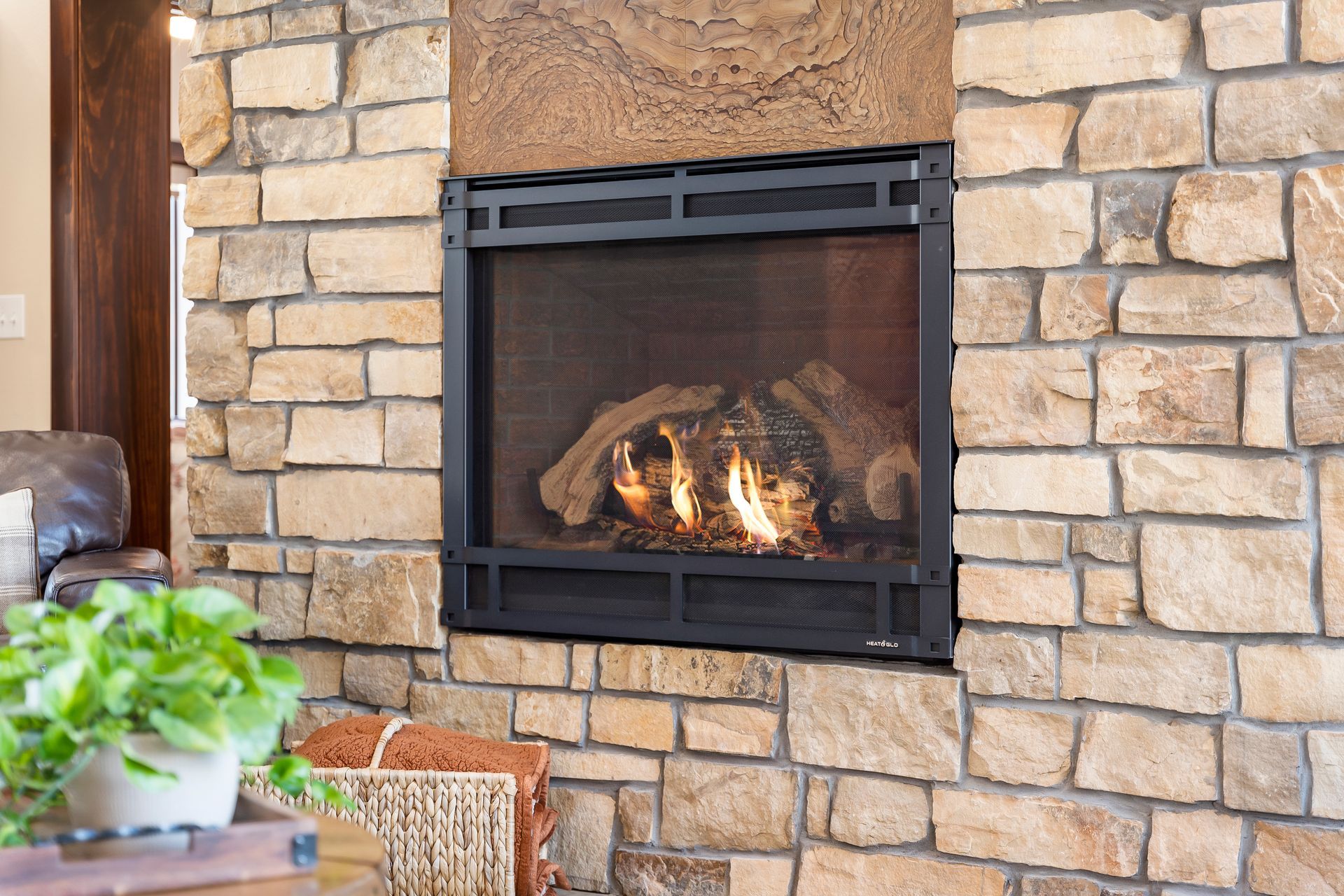
Fireplace and Wood-Heat Options That Make Sense in ICF Homes
Not all fireplaces or wood-heat systems behave the same way. The best option depends on whether your priority is ambiance, sustainability, resilience, or daily comfort.
Option 1: Combustion Fireplaces (Design Matters in ICF Homes)
Fireplaces that burn fuel—whether wood or gas—introduce a large amount of heat into a space in a short period of time. In an ICF home, that heat behaves differently than it would in a conventional house.
Because ICF homes are airtight and well insulated, combustion heat is retained longer. That makes design choices, sizing, and expectations especially important.
A. Traditional Open Wood-Burning Fireplaces (Lifestyle Feature)
Open wood-burning fireplaces remain a highly desired feature throughout the Ozarks—and they can be included in ICF homes when expectations are clear.
What to understand:
- Open fireplaces produce high, variable heat output
- Heat is difficult to regulate once a fire is established
- In an ICF home, overheating is more likely than heat loss
Best uses in an ICF home:
- Ambiance and gathering space: Fires lit for visual warmth, atmosphere, and hosting family or friends.
- Short-duration fires: Enjoying a small fire for a short time on a cold evening rather than all-day burning, which helps prevent overheating in a high-performance home.
- Backup heat during power outages: Occasional use when the primary heating system is offline, with the understanding that the home will retain that heat longer than a conventional house.
Design considerations that help:
- Larger, open rooms that can absorb heat
- Thoughtful placement away from bedrooms
- Proper air and ventilation planning
- Heat-moderating features like glass doors
In short, open fireplaces can work—but they are best treated as a lifestyle feature, not a daily heating strategy.
B. Right-Sized Gas Fireplaces (Controlled Supplemental Heat)
Gas fireplaces can also work very well in ICF homes, particularly when homeowners want convenience and control.
Key guidelines:
- Choose lower-BTU units
- Use sealed, direct-vent models
- Treat the fireplace as supplemental heat, not a primary system
Because gas fireplaces allow for predictable output and quick shutoff, they are often easier to manage in a high-performance home than traditional wood fireplaces.
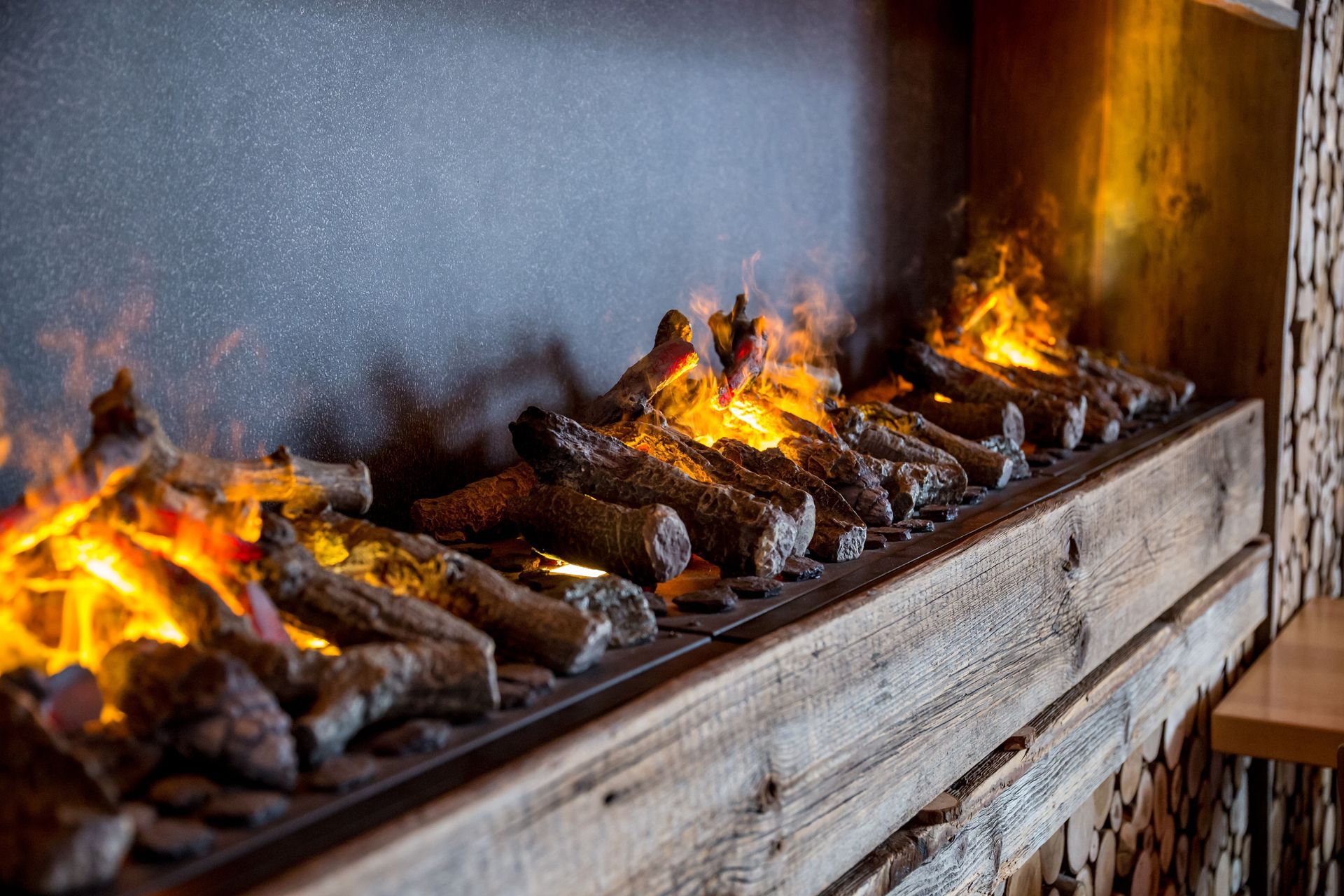
Option 2: Electric Fireplaces (Ambiance Without Overheating)
For homeowners who want the visual warmth of a fireplace without adding excess heat, electric fireplaces are often the most comfortable solution in an ICF home.
Why electric fireplaces pair so well with ICF construction:
- Realistic flame visuals with minimal or optional heat
- Independent control of flame and heat output
- No combustion, venting, or air-quality concerns
- Excellent compatibility with tight, efficient envelopes
Modern electric fireplaces have come a long way from older designs and can create a strong focal point—without overwhelming indoor temperatures.
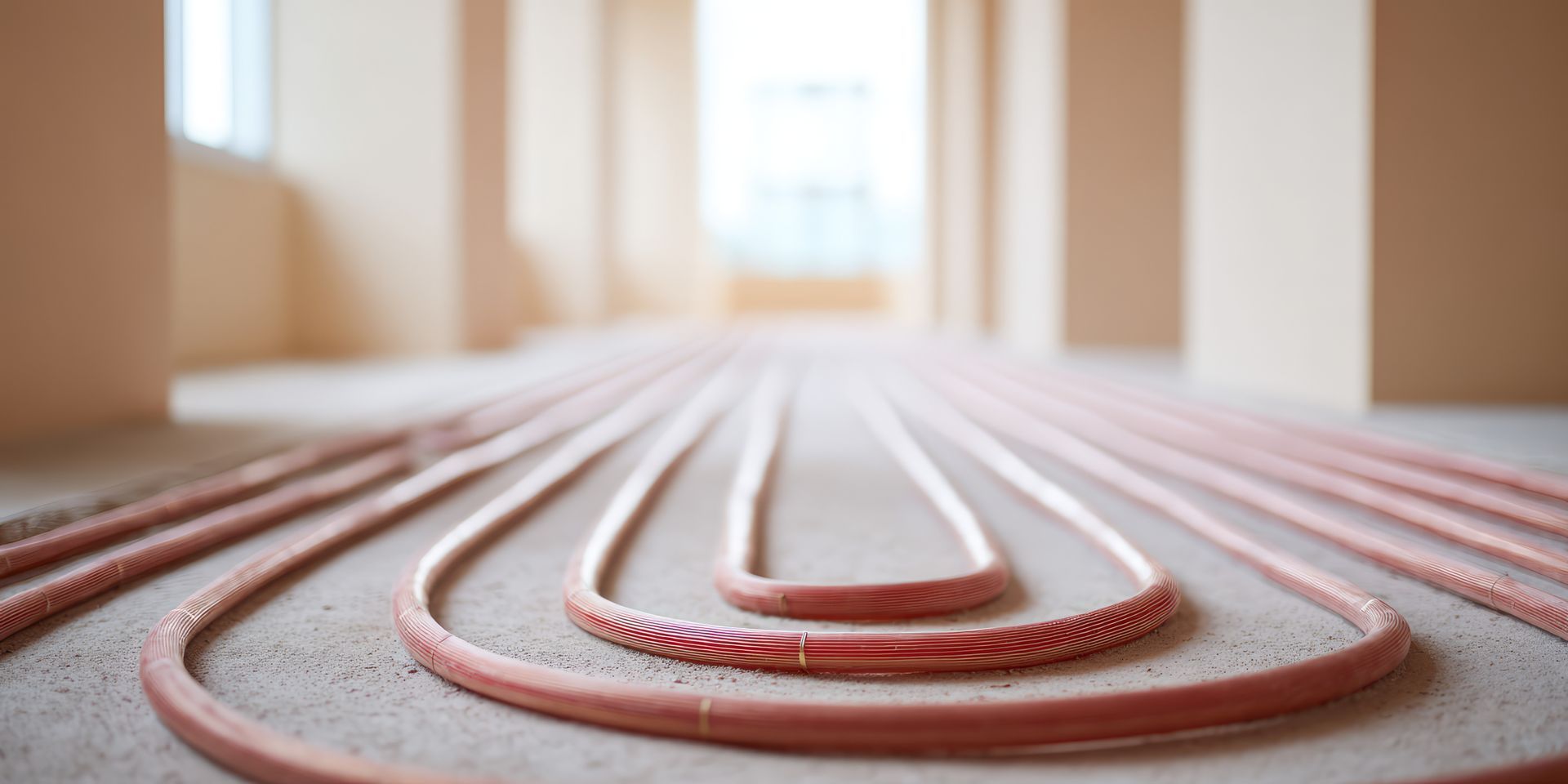
Option 3: High-Efficiency Wood Boilers + Radiant Floor Heat (Best Sustainable Match)
For sustainability-minded homeowners, wood boilers paired with radiant floor heating create an excellent heating system for ICF homes.
Why this system works exceptionally well:
- Radiant floors deliver low, steady heat
- ICF homes require minimal ongoing heat input
- Temperatures remain even with no drafts or hot spots
- Wood consumption is significantly reduced compared to conventional homes
This approach allows homeowners—especially those with access to local firewood—to use wood heat efficiently, comfortably, and intentionally.
Radiant systems in ICF homes can also be supplied by other sources such as geothermal heat pumps or hybrid systems, giving homeowners flexibility now and options for future upgrades.
Designing for Comfort in a High-Performance Home
Regardless of the heat source, successful fireplace and wood-heat design in an ICF home comes down to intention.
- Avoid oversized heat sources
- Place fireplaces in larger, open areas
- Use steady temperatures rather than aggressive setbacks during the day or at night
- Match heat delivery to how the home actually performs
ICF homes reward thoughtful, measured heat strategies with exceptional comfort.
The Bottom Line
Fireplaces and wood heat aren’t incompatible with ICF homes—they simply need to be approached differently.
Because ICF homes hold heat so well, the most successful designs favor control, moderation, and steady delivery over high-output bursts. Whether your priority is ambiance, sustainability, resilience, or all three, there are fireplace and wood-heat options that work beautifully with ICF construction.
For Ozarks homeowners, the best solution isn’t the biggest fire—it’s the one that works with a high-performance home, not against it.
Ready to Build a Legacy?
If you’re planning an ICF home and want help thinking through fireplace or wood-heat options—including radiant heat systems—our team is always happy to talk through real-world scenarios.
Contact us today to schedule your
free, no obligation project consultation meeting today. Let’s start building your Legacy Home—together.