Freeze–Thaw Cycles and What They Mean for Foundations and Walls in the Ozarks
Freeze–Thaw Cycles and What They Mean for Foundations and Walls in the Ozarks
In the Ozarks, winter damage to homes doesn’t always come from one extreme event. Instead, it can be caused by something far more repetitive and destructive over time: freeze–thaw cycles.
Unlike consistently cold climates, Ozarks winters often swing rapidly from freezing temperatures to mild conditions — sometimes within the same week or even the same day. Those swings create ongoing stress on foundations, walls, and the soils that support them. Over years, that stress adds up.
Understanding how freeze–thaw cycles work, and how different construction methods respond, helps explain why some homes develop cracks, moisture issues, and comfort problems while others remain stable through decades of winters.
Why Freeze–Thaw Cycles Are Especially Problematic in the Ozarks
A freeze–thaw cycle occurs when moisture freezes, expands, thaws, and then repeats the process. Water expands by roughly 9% when it freezes, which may not sound like much — until it happens repeatedly inside soil, concrete, and wall assemblies.
What makes the Ozarks particularly challenging is not just cold temperatures, but temperature fluctuation combined with moisture:
- Winters often hover between freezing and mild weather
- Rain and melting snow saturate the soil
- Freeze–thaw cycles can occur dozens of times per season
This constant expansion and contraction creates movement — and buildings don’t like movement.
What Happens Beneath the Foundation
The most significant freeze–thaw damage starts below the home, in the soil.
When moisture-laden soil freezes, it expands and lifts. As temperatures rise, the soil thaws and settles back down. This process, known as frost heave, creates vertical and lateral forces against the foundation.
Over time, repeated soil movement can lead to:
- Foundation cracking
- Uneven settling
- Stress at footing and wall connections
- Shifting that transfers upward into walls and framing
Soils that remain saturated, often due to poor drainage or grading, experience the most severe freeze–thaw effects.
Why Traditional Foundation and Wall Systems Struggle
Many conventional homes rely on layered construction systems:
- Separate footings and foundation walls
- Framed walls sitting on top of masonry or concrete
- Multiple material transitions and joints
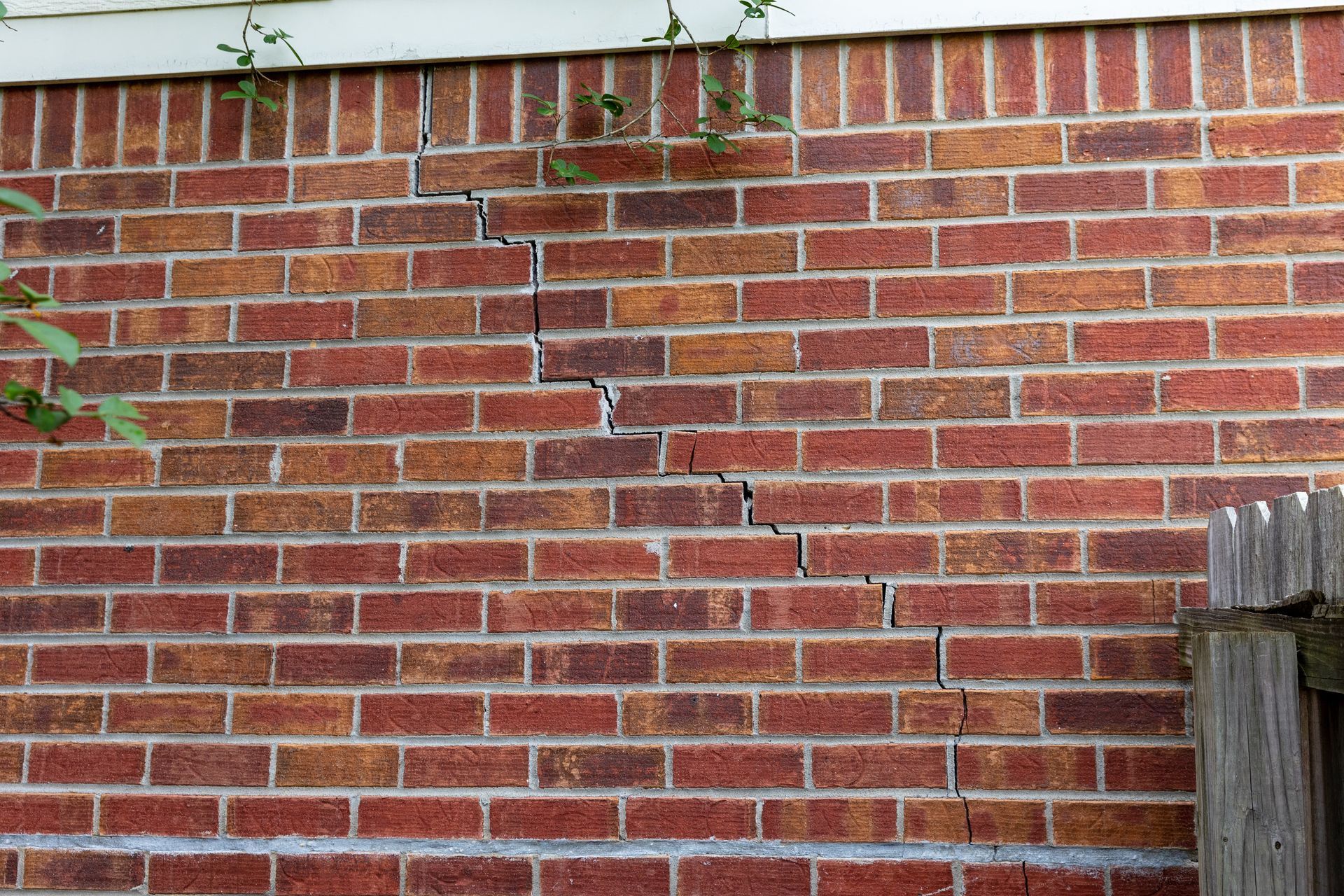
Each of these materials reacts differently to moisture and temperature changes. When freeze–thaw cycles occur, movement doesn’t happen evenly — it concentrates at joints, seams, and connection points.
That’s why freeze–thaw damage often shows up as:
- Cracks where foundation walls meet footings
- Cracks in masonry or veneer
- Air leaks at rim joists and wall transitions
- Moisture intrusion through small openings that grow larger over time
Once water enters these openings, freeze–thaw cycles accelerate the damage by widening cracks and increasing stress.
How Freeze–Thaw Cycles Affect Walls — Not Just Foundations
While foundations take the brunt of soil movement, walls are affected in several ways:
- Air leakage increases as materials shift and joints loosen
- Moisture intrusion becomes more likely, especially in walls with multiple penetrations
- Thermal performance declines as insulation and air barriers are compromised
- Cracks appear in finishes, masonry, or drywall
Walls that depend on many individual components working perfectly are more vulnerable to seasonal movement.
Why Monolithic Construction Responds Differently
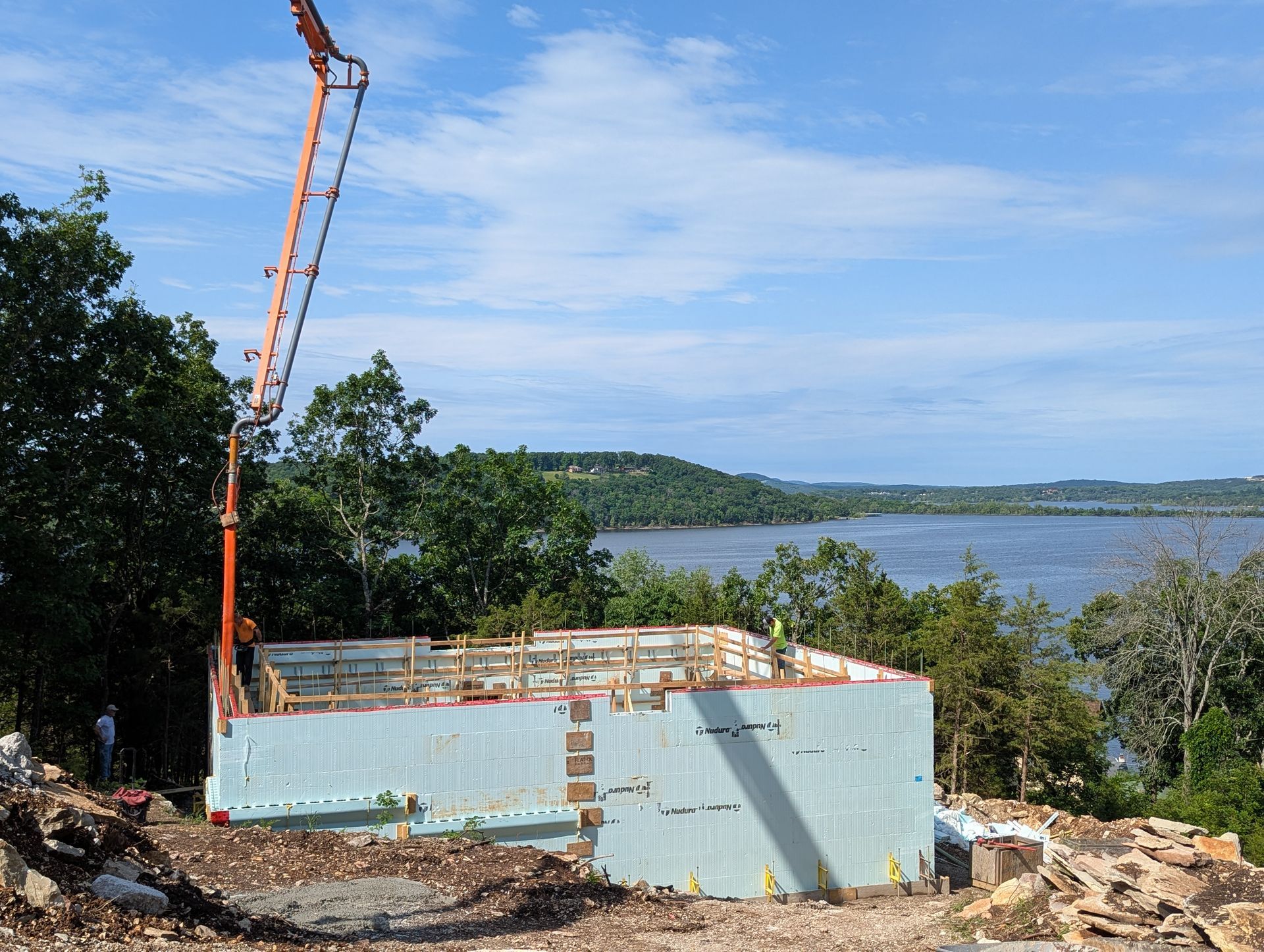
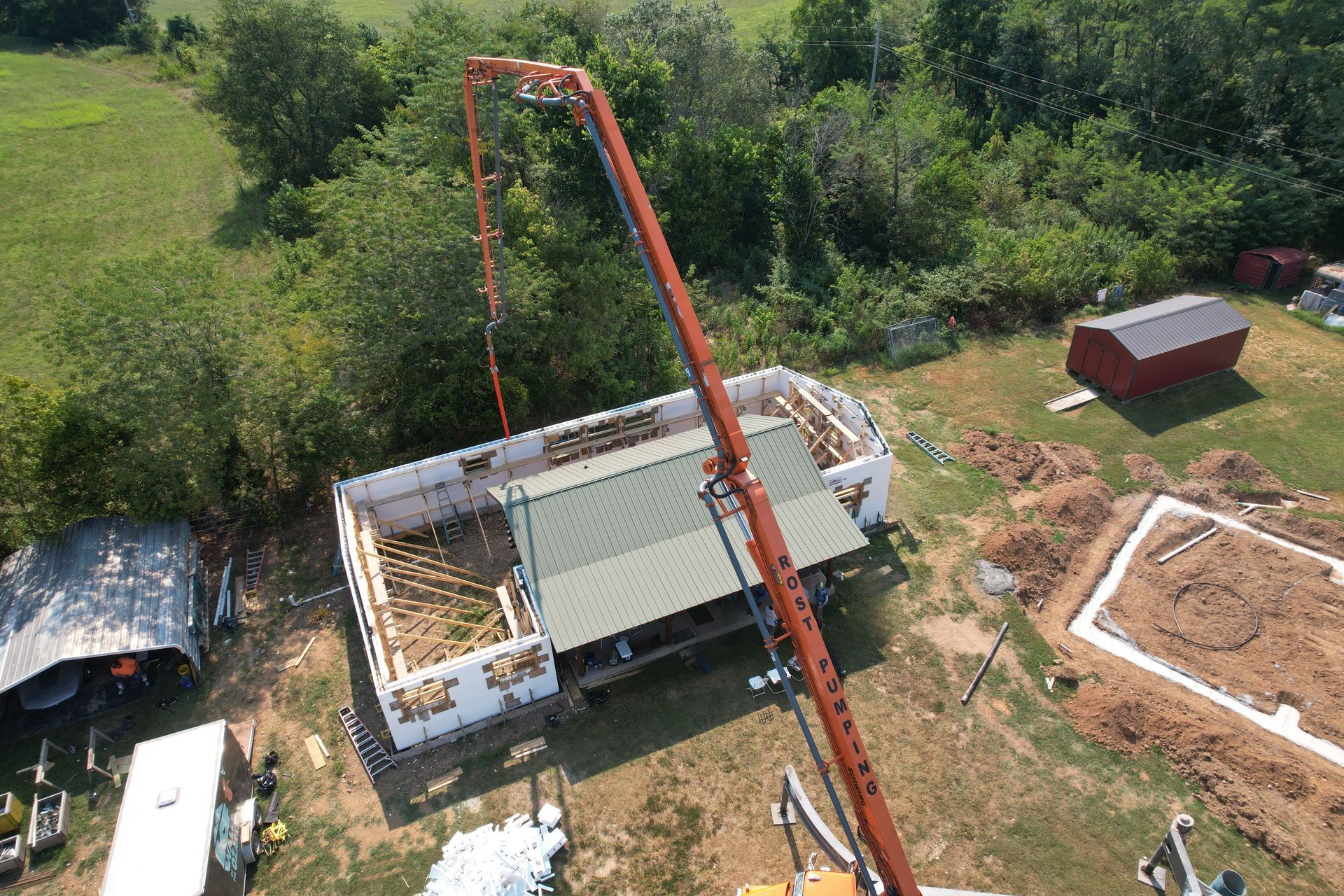
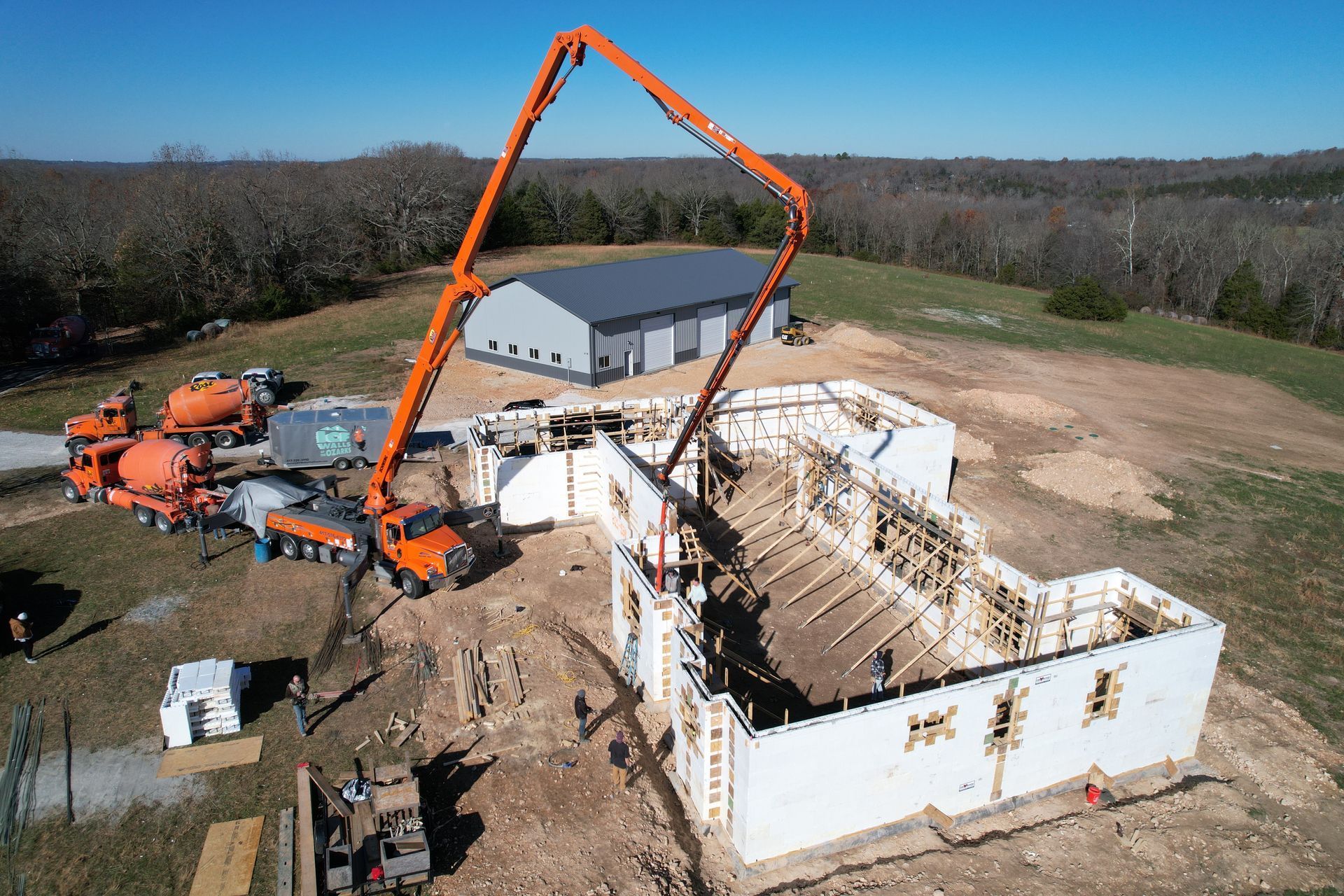
In monolithic construction, foundations and walls function as a single, continuous structural system rather than a stack of independent parts.
This continuity matters during freeze–thaw cycles because:
- Movement is distributed across the structure instead of concentrated at joints
- There are fewer seams where moisture can enter
- Structural loads are transferred more evenly
Instead of different materials fighting each other as temperatures change, the structure responds as a unified whole.
Concrete, Reinforcement, and ICF Freeze–Thaw Performance
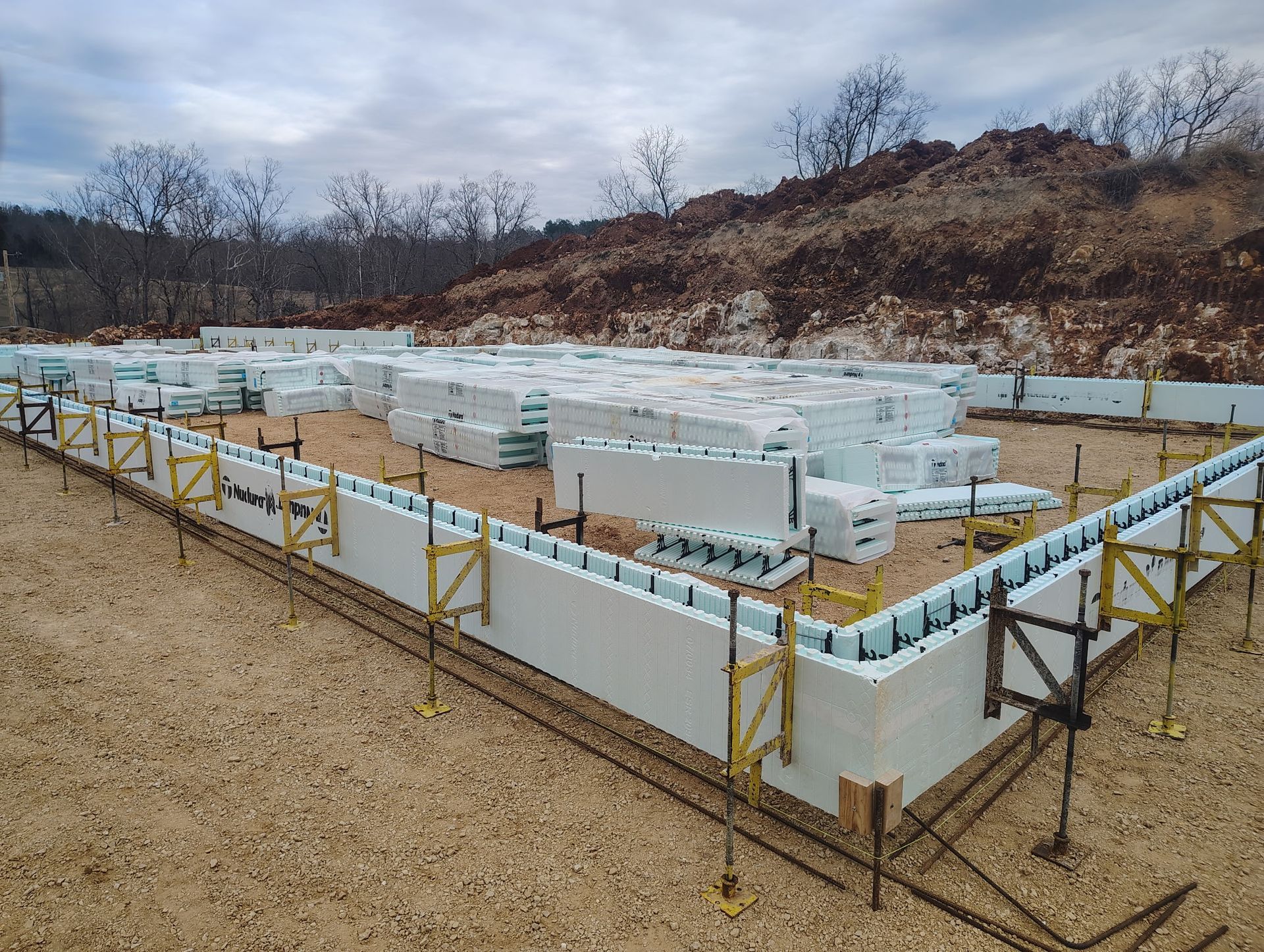
In freeze–thaw conditions, moisture inside the concrete is the real issue. When water penetrates concrete and freezes, it expands, increasing internal pressure and accelerating cracking over time.
- Xypex crystalline waterproofing can be added directly to the concrete footing mixture. Once the concrete cures, Xypex reacts with moisture to form a crystalline structure within the concrete itself. These crystals grow into capillaries and microcracks, blocking pathways that water would otherwise use to migrate through the concrete.
- Steel reinforcement works alongside this process by helping concrete resist cracking and absorb stress caused by soil movement during freeze–thaw cycles. Rather than allowing cracks to propagate freely, reinforcement helps control where and how movement occurs.
- Two continuous layers of rigid EPS insulation surrounding the concrete core further improve freeze–thaw performance. These layers act as an effective thermal break, limiting how exterior temperature swings influence moisture behavior within the wall system. By maintaining more consistent temperatures at the concrete surface, the EPS insulation reduces condensation risk and lowers the likelihood of moisture freezing within the assembly.
Together, these strategies help manage moisture, temperature, and stress—which is the real goal in a freeze–thaw environment.
Why Moisture Control Is the Real Key
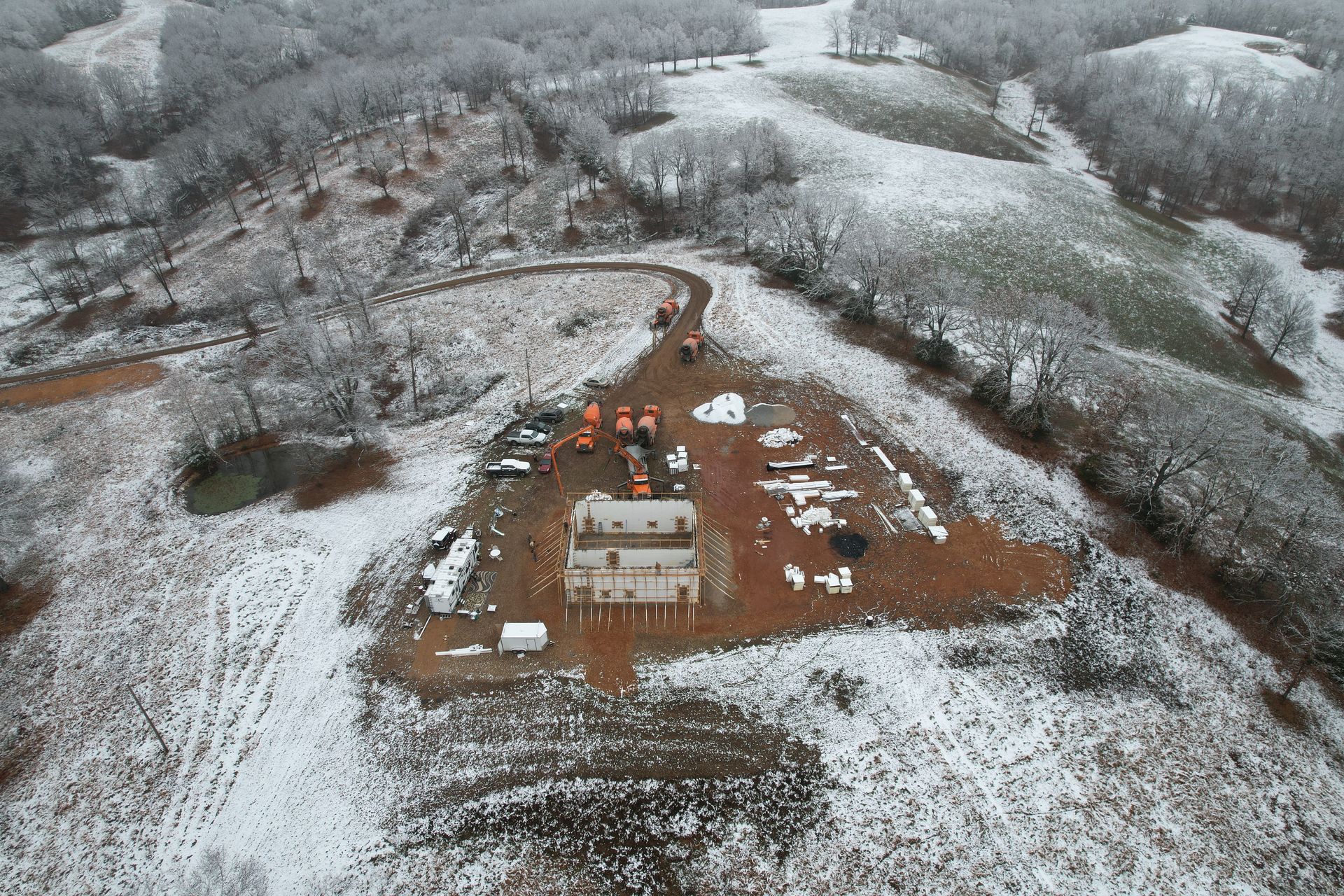
It’s important to understand that freeze–thaw damage is not caused by cold alone. It’s caused by cold plus moisture.
Homes that perform well through Ozarks winters typically prioritize:
- Proper grading away from the foundation
- Controlled water runoff
- Reduced soil saturation near structural elements
By limiting the amount of water available to freeze, the severity of freeze–thaw stress is dramatically reduced.
How Freeze–Thaw Damage Usually Reveals Itself
Freeze–thaw issues rarely show up overnight. Homeowners often notice subtle signs first:
- Small cracks that gradually grow
- Drafts near floors or exterior walls
- Increased heating costs
- Moisture smells or damp areas near foundations
These early indicators often appear years before more serious structural repairs are required.
Designing for Real Ozarks Winters
Building codes establish minimum standards, but they don’t account for the frequency of freeze–thaw cycles common in the Ozarks or the long-term effects of soil movement and moisture.
Homes designed with local climate conditions in mind, including temperature swings, soil behavior, and moisture control tend to perform better over time, with fewer repairs and more consistent comfort.
Final Thoughts
Freeze–thaw cycles are one of the most overlooked forces affecting foundations and walls in the Ozarks. Homes that minimize weak points, manage moisture effectively, and behave as unified structural systems are better equipped to handle the repeated stresses of winter.
Designing for these realities upfront helps protect not just the structure, but the long-term comfort and durability of the home itself.
Ready to Build a Legacy home? Let’s Talk.
Freeze–thaw cycles, soil conditions, and moisture control all play a major role in how a home performs over time. If you’re early in the planning process and want to understand how ICF construction responds to Ozarks winters, we’re here to help answer questions and guide you through your options.
Contact us today to schedule a free, no-obligation project consultation.
We’ll talk through your ideas, answer your questions, and explore how a Legacy System ICF home can support long-term durability, comfort, and resilience for your family.