Finishing the Exterior
of an ICF Home:
Same Beautiful Look, Stronger Wall System
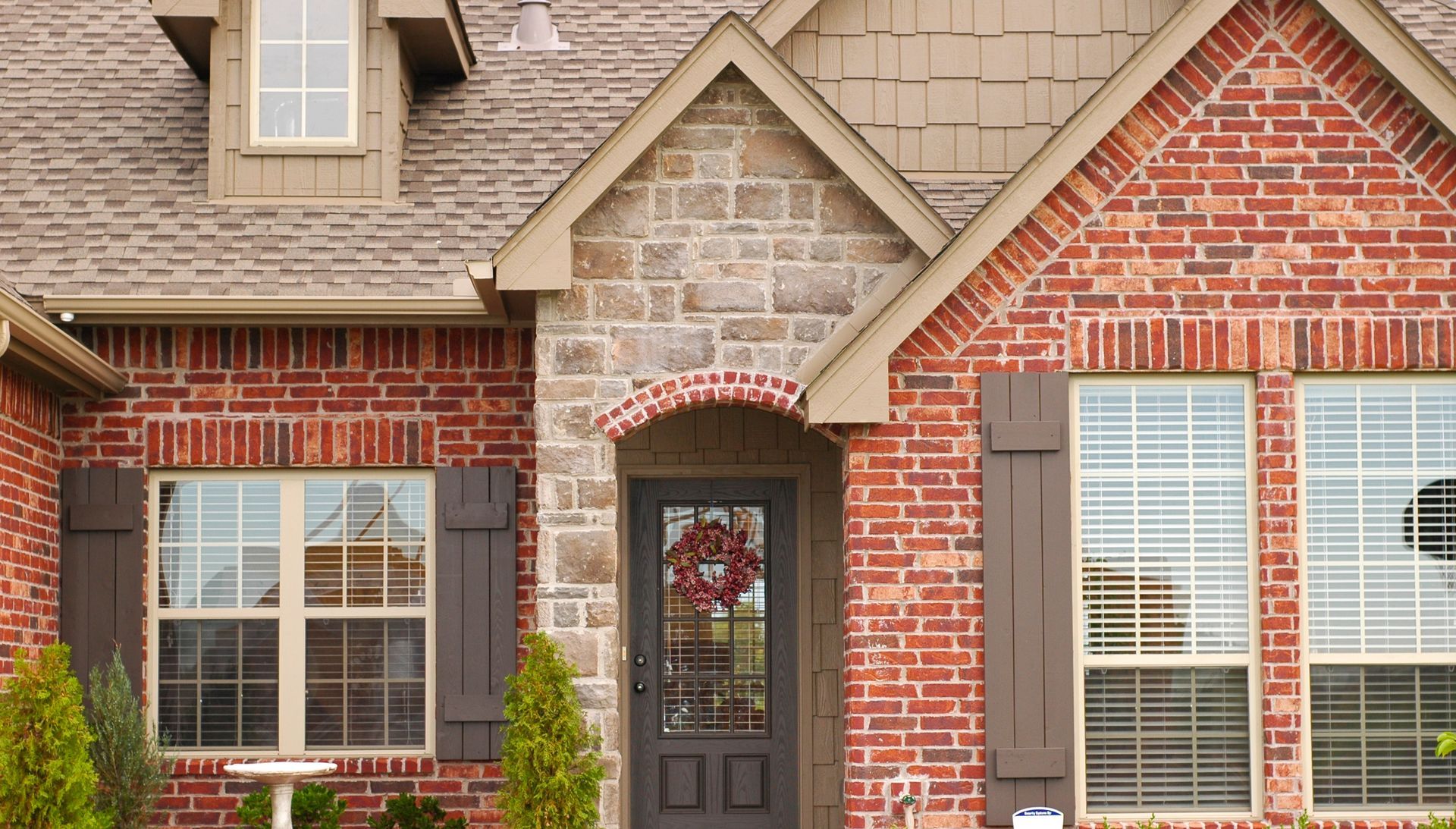
One of the biggest misconceptions about Insulated Concrete Form (ICF) homes is that they “look different” from traditional homes.
They don’t.
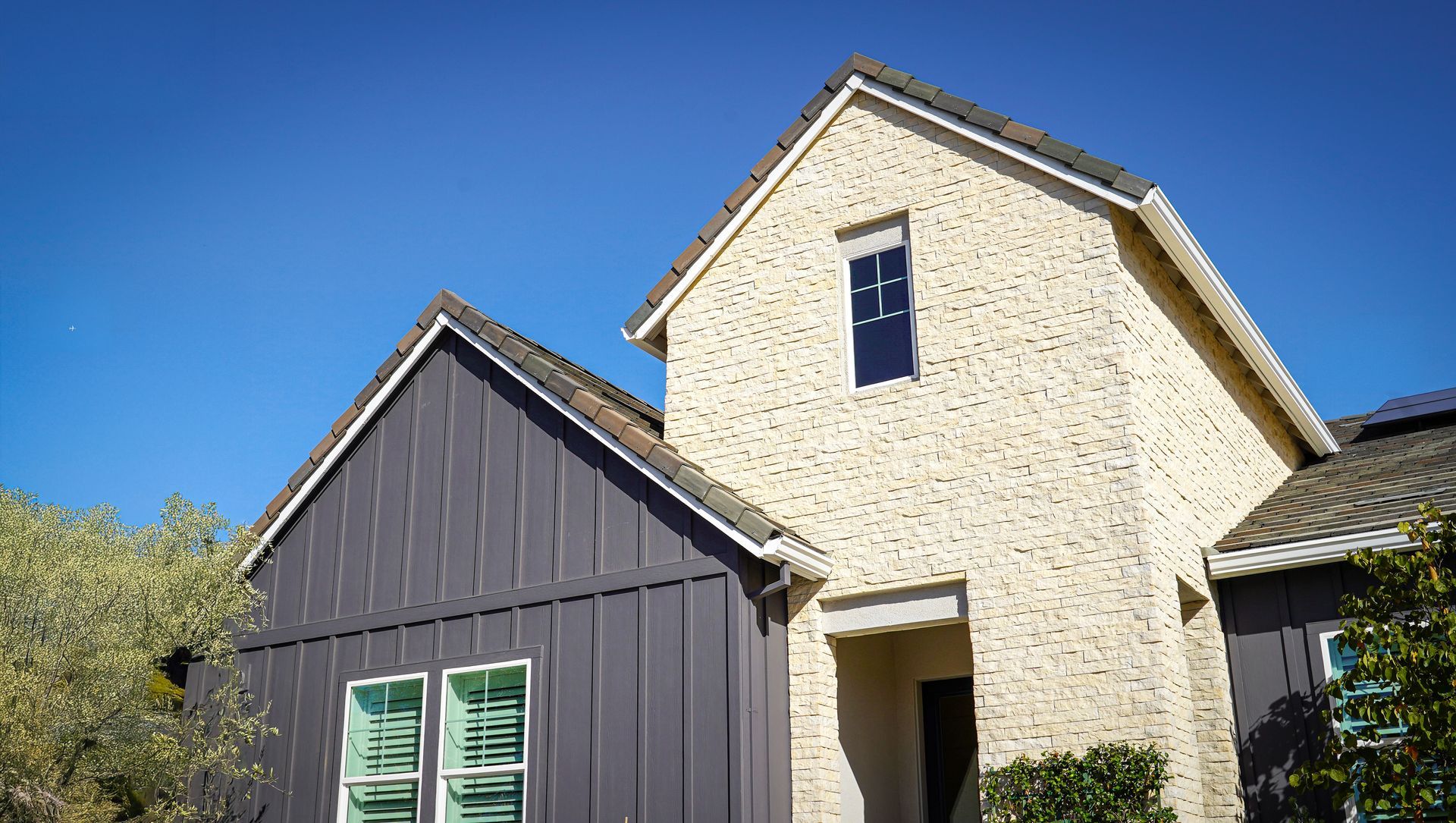
An ICF home can have brick, stone, stucco, board and batten, or modern metal panel siding — just like any wood-framed house. From the curb, you would never know the difference.
The real difference is inside the wall.
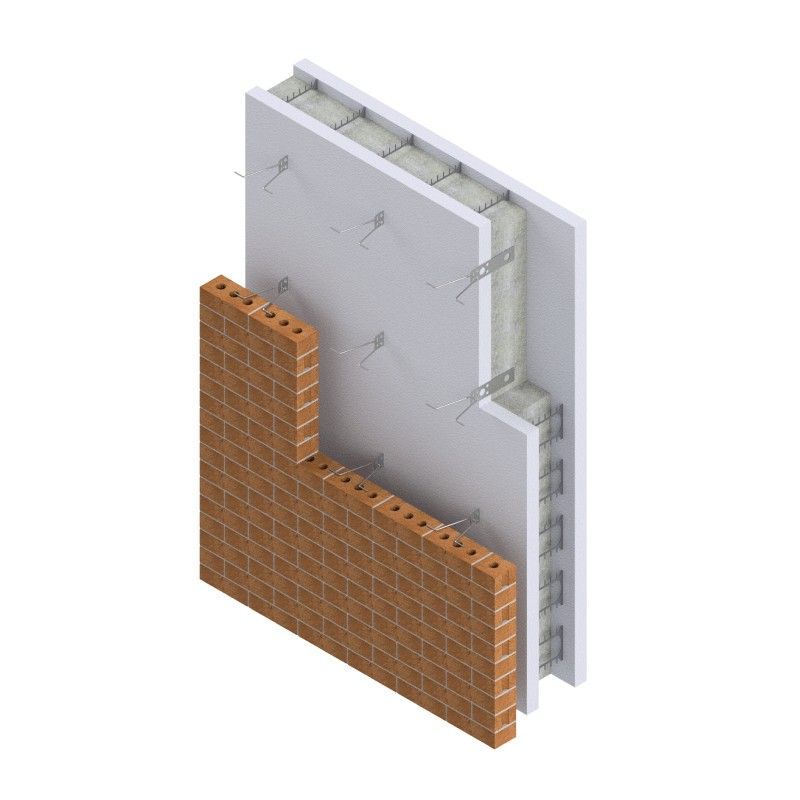
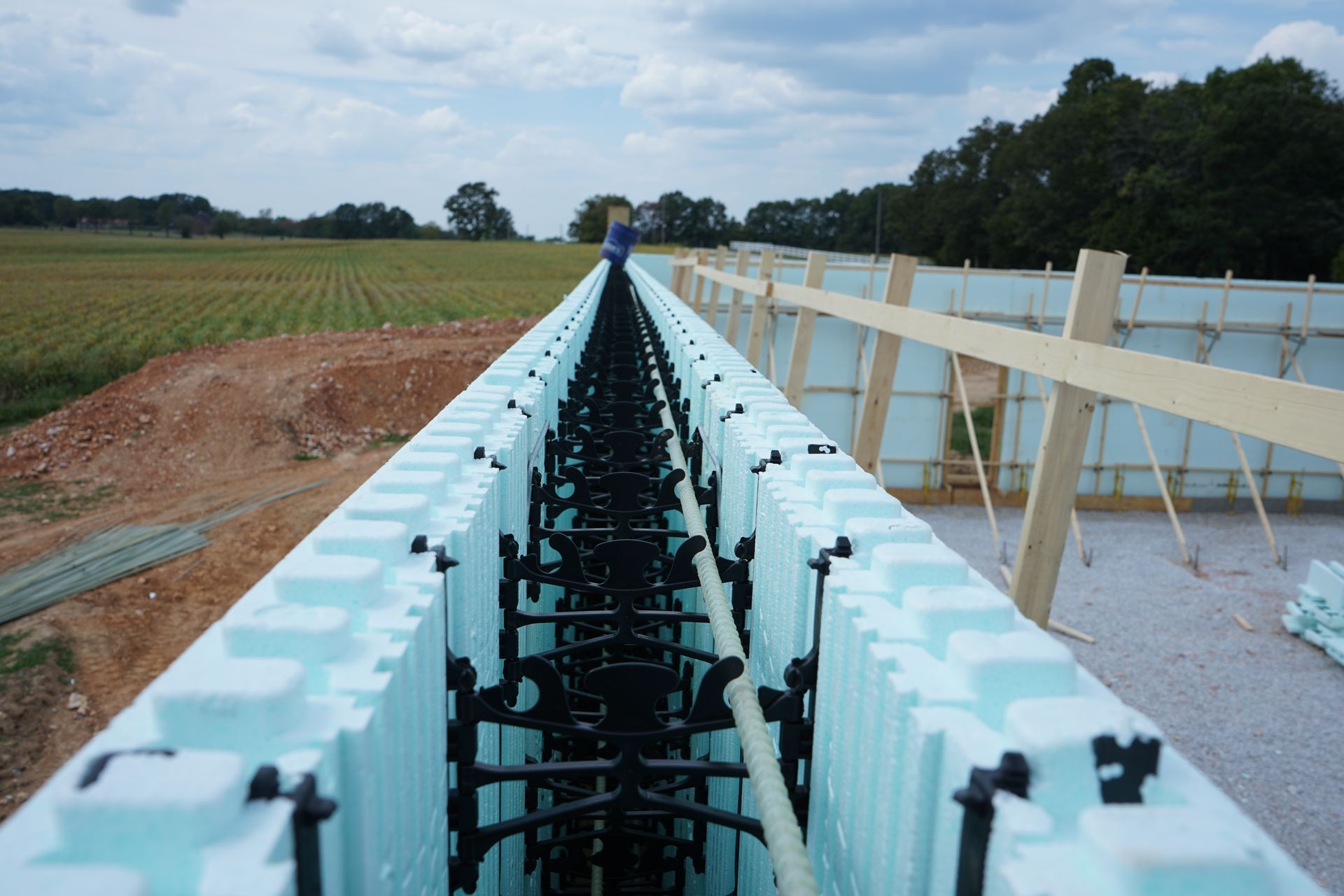
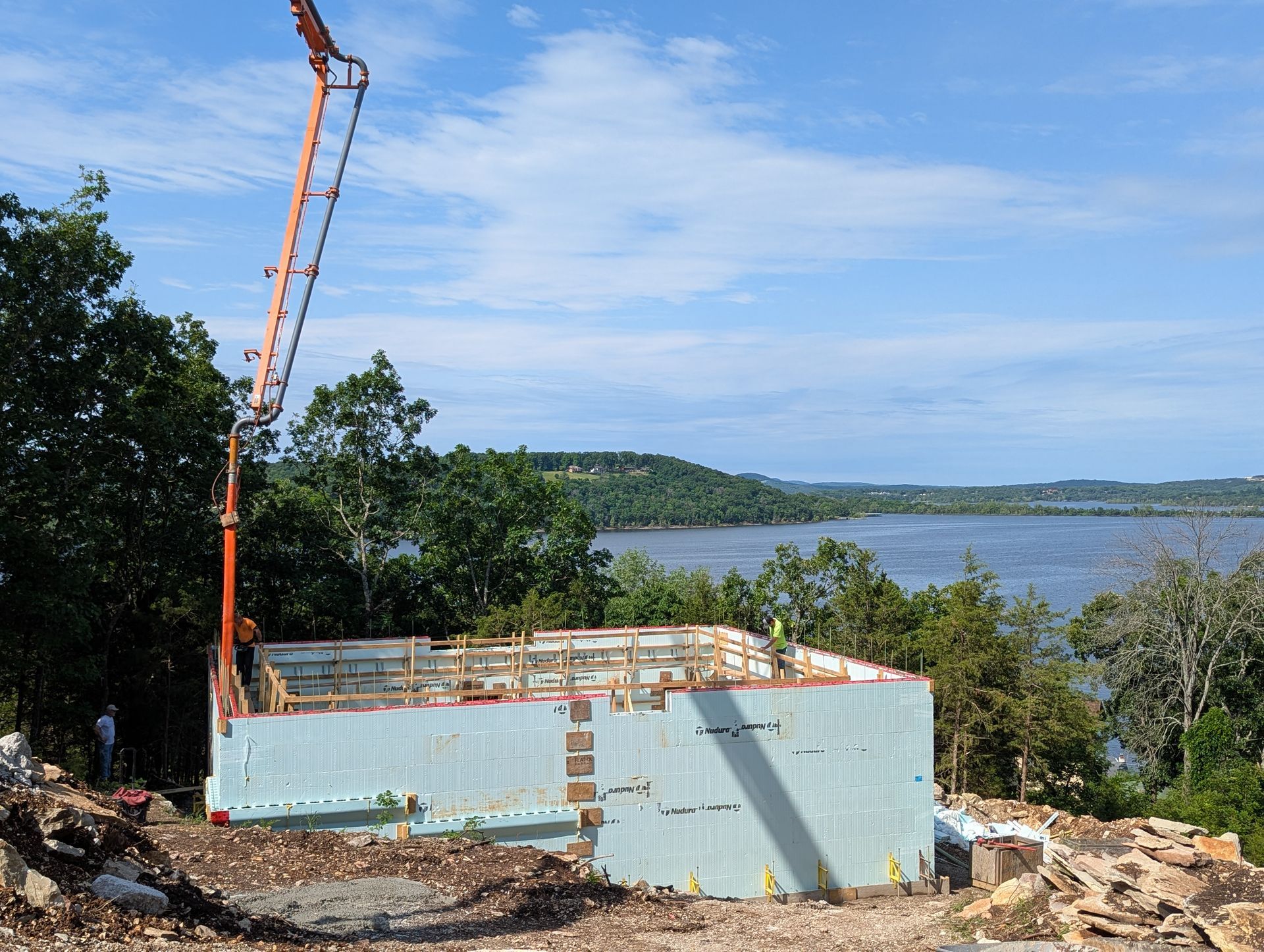
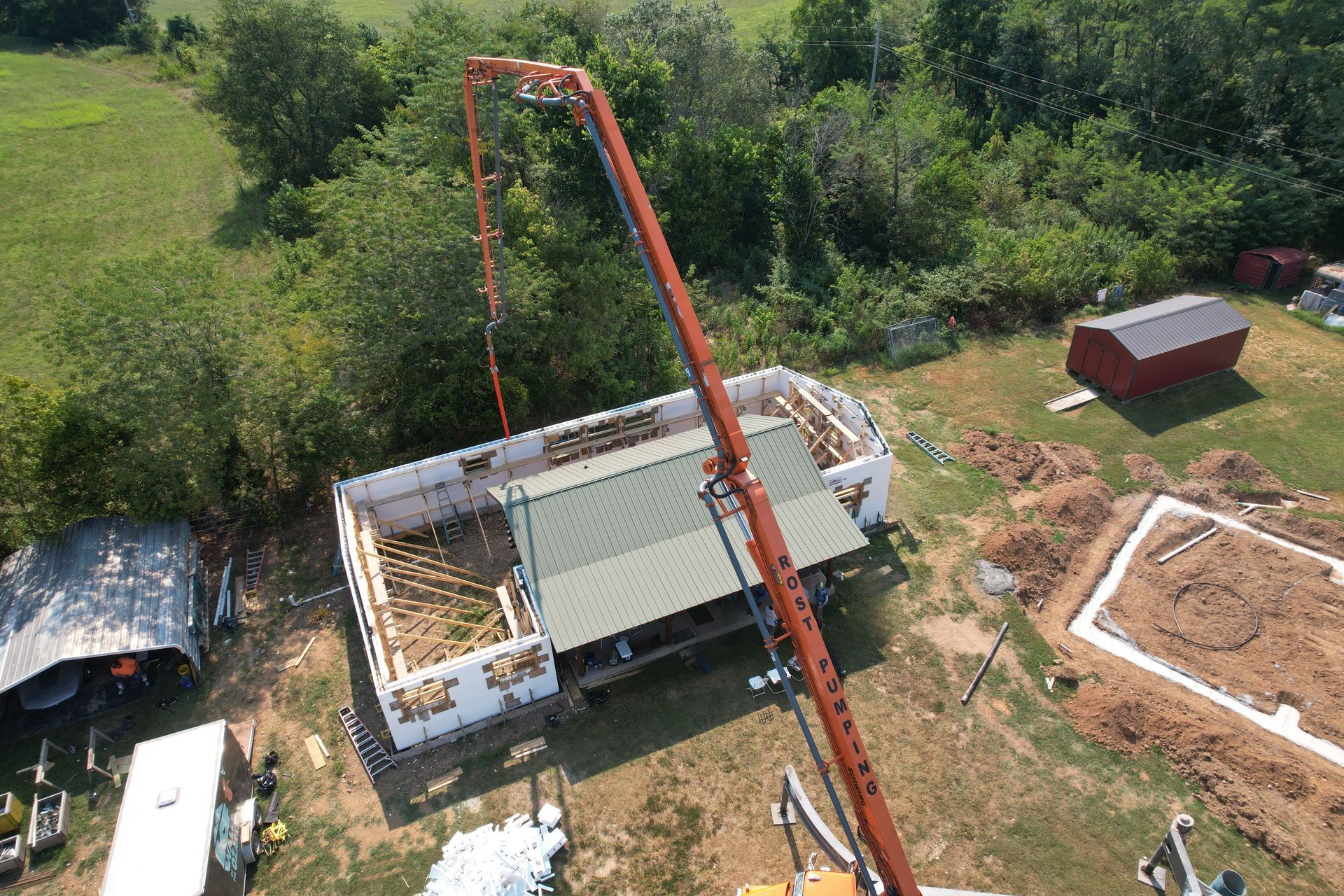
Instead of wood studs and cavity insulation, ICF walls are built with reinforced concrete sandwiched between two layers of continuous insulation. That solid concrete core is what provides superior strength, energy efficiency, and long-term durability while still allowing complete freedom in exterior design.
Let’s look at how some of the most popular exterior finishes work with ICF construction.
Brick Veneer on an ICF Home
Brick remains one of the most requested finishes in the Ozarks, and it integrates seamlessly with ICF.
From the outside, a brick ICF home looks exactly like a traditional brick veneer home. The difference is what the brick ties are anchored to.
With conventional framing, brick ties are fastened into wood studs. With ICF, the ties can either be attached to the embedded fastening strips inside the ICF forms or anchored into the reinforced concrete core.
Stone Veneer
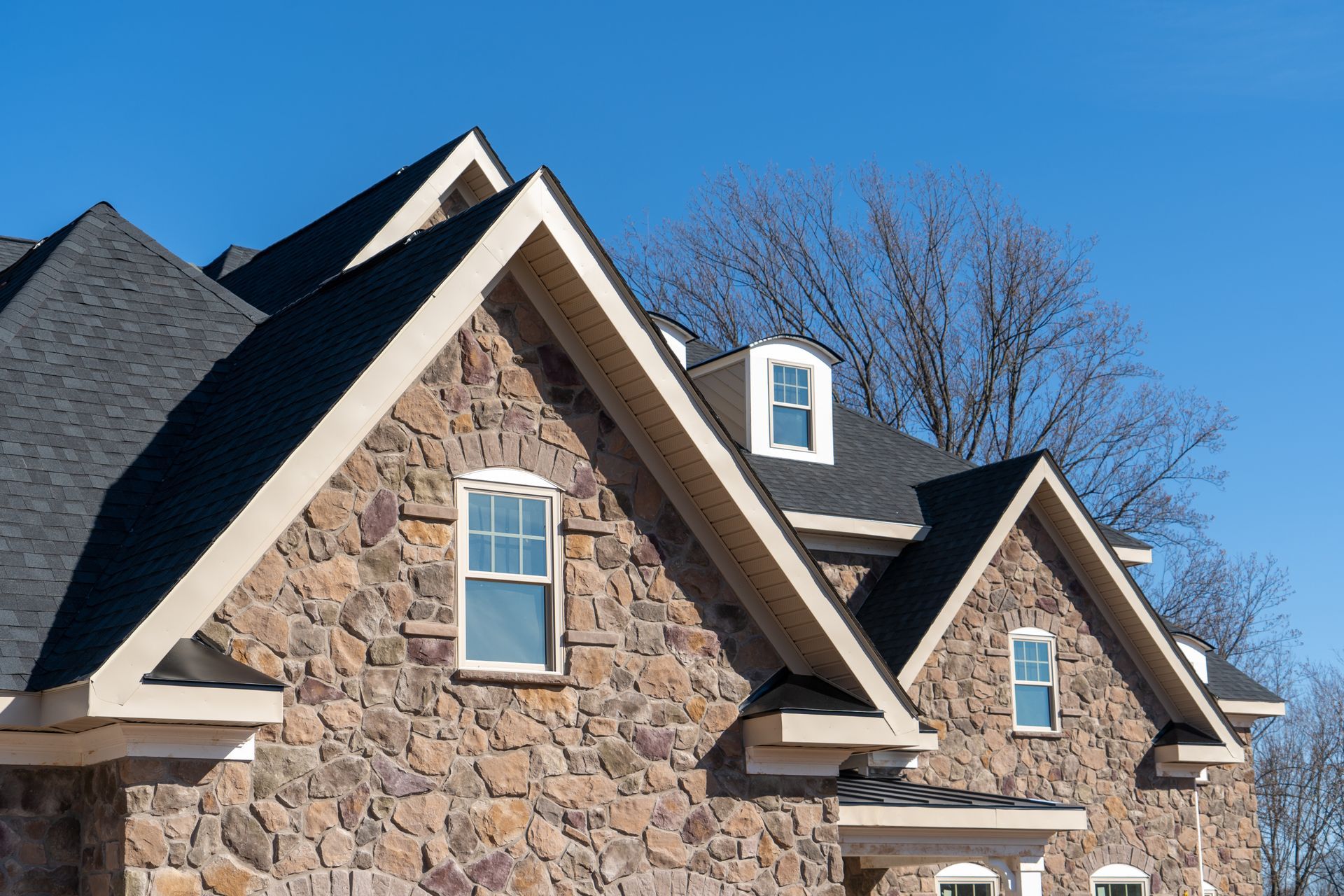
Natural and manufactured stone veneer are both fully compatible with ICF construction.
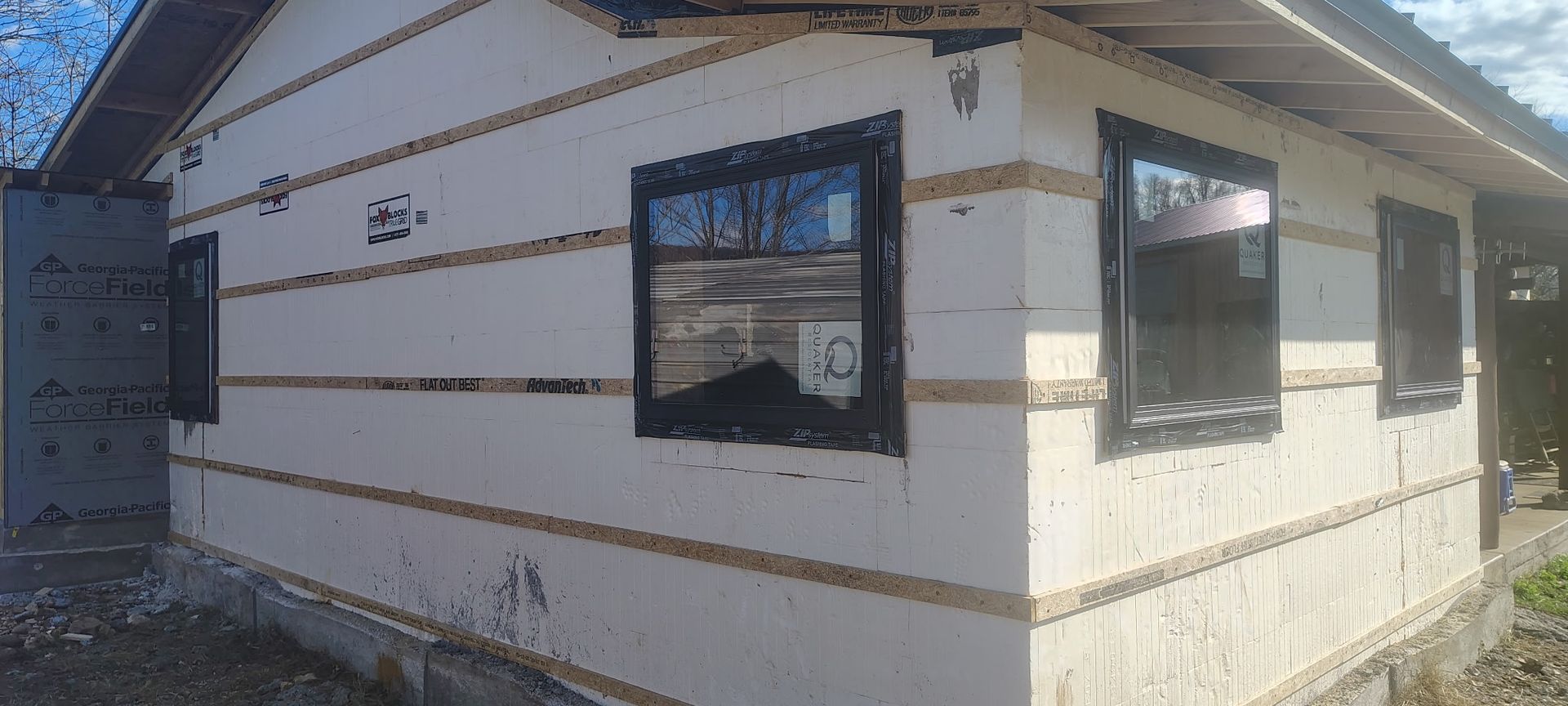
Installation is very similar to traditional methods, but instead of fastening into wood framing, attachment systems are secured into the embedded fastening strips. Lath and mortar systems perform well because the wall behind them is solid and stable.
Since reinforced concrete does not expand and contract the way wood framing can, stone finishes often benefit from reduced wall movement over time.
Stucco & Acrylic Finishes
Stucco pairs naturally with ICF because both systems emphasize continuous insulation and air control.
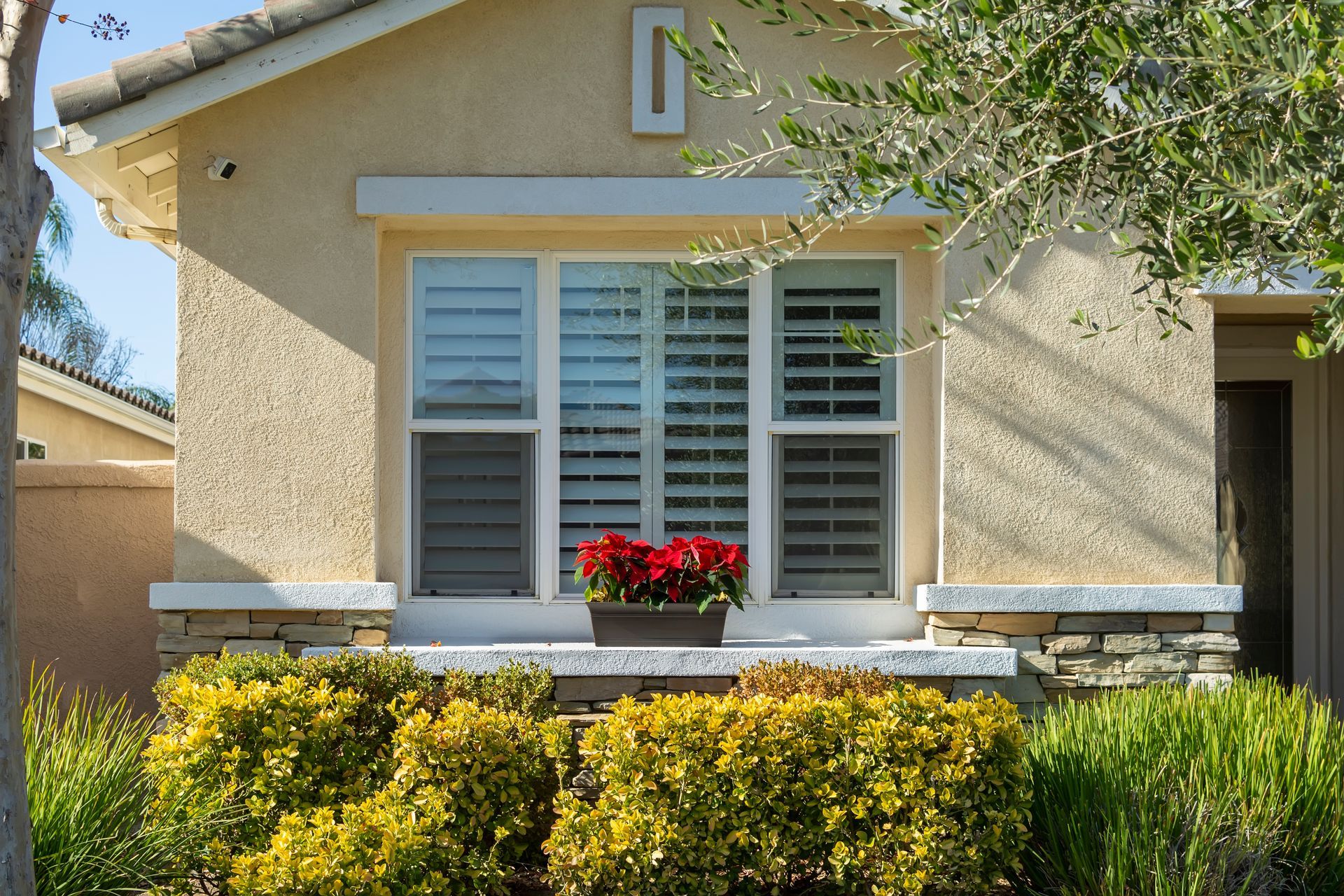
Base coat and mesh systems apply directly over the foam surface, and acrylic or synthetic stucco products bond well to ICF substrates. The rigid concrete core behind the insulation helps minimize structural flex, which can reduce the likelihood of cracking compared to traditional framing.
For homeowners seeking a clean, modern, or Mediterranean look, stucco over ICF is a seamless combination.
Horizontal Lap Siding
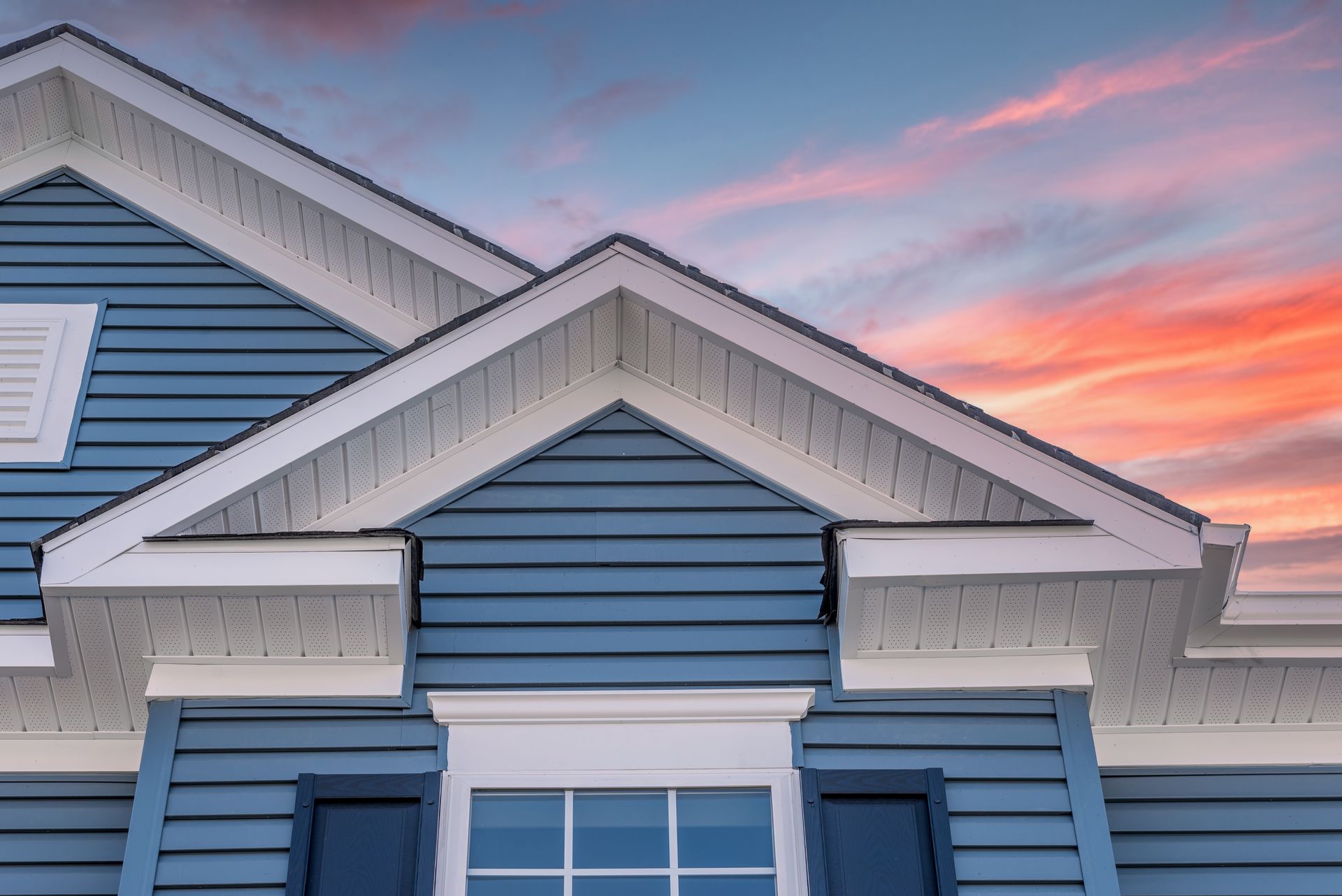
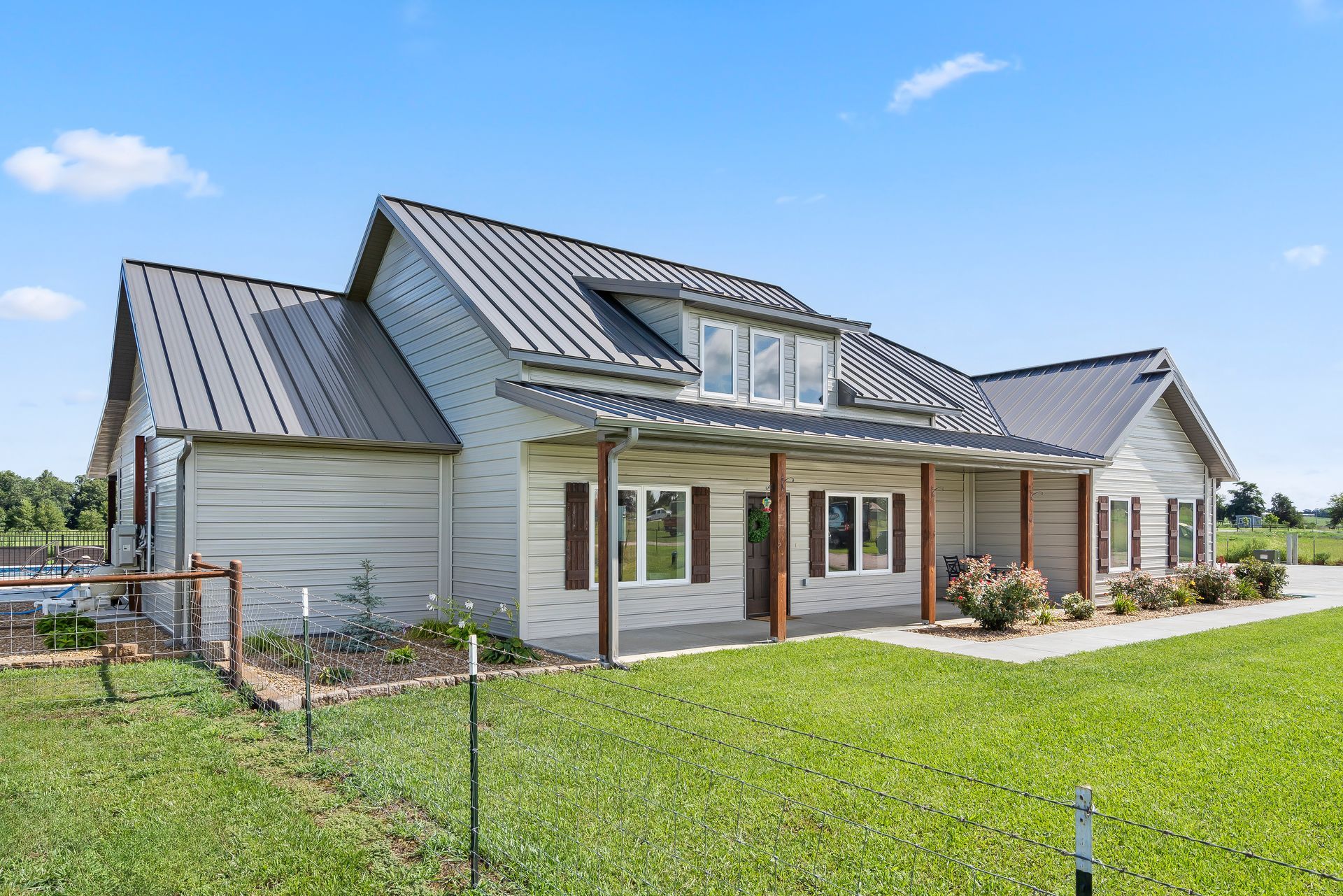
Fiber cement, engineered wood, and vinyl lap siding can all be installed on an ICF home.
For horizontal siding applications, fasteners attach directly into the embedded fastening strips within the ICF wall. No additional furring strips are required. The process feels very familiar to experienced installers.
The difference is that behind the siding is continuous insulation and reinforced concrete rather than stud cavities and sheathing seams.
ICF walls support mixed-material exteriors, allowing you to combine brick, stone, lap siding, or metal accents for a truly custom look.
Board and Batten (Vertical Siding)
Metal Panels & Modern Cladding
Contemporary designs featuring metal panels or architectural cladding systems are also fully achievable with ICF.
Attachment methods vary depending on the product, but fastening systems are designed to secure into the ICF fastening strips as required. The reinforced concrete backing provides excellent support for modern exterior systems.
The Difference You Don’t See
Every exterior finish listed above can be used on both wood-framed and ICF homes.
Visually, they can look identical. The difference is performance.
With ICF construction, you get continuous insulation, reduced air infiltration, superior storm resistance, and a solid concrete structure behind whatever finish you choose.
Your exterior determines the style of your home.
Your wall system determines how it performs for decades to come.
That’s the advantage of building with ICF.
Let’s Talk About Your Exterior Options
If you’re planning a new home and want the freedom to choose your exterior finish without compromising performance, we’d love to walk through your options with you.
At ICF Walls of the Ozarks,
we offer full-service turnkey builds within a 50-mile radius of Springfield, Missouri. During your project consultation, we can discuss your design goals, exterior finish preferences, structural considerations, and how ICF construction supports them all.
Schedule your free, no-obligation project consultation today and let’s start designing a home that looks exactly the way you want and performs even better than you expect.