Building for Storm Season: What Actually Matters in an Ozarks Home
If you’ve spent enough time living in the Ozarks, you already know how quickly weather can change here.
A calm spring evening can turn into tornado warnings, straight-line winds, hail, and power outages before the night is over. Most homeowners across Southwest Missouri and Northwest Arkansas have either experienced storm damage personally or know someone who has.
That reality is changing the way many families think about building a home.
People still care about layouts, finishes, kitchens, and curb appeal. But once storm season hits, the conversation usually shifts toward something much more important:
“How well is this house actually built?”
At ICF Walls of the Ozarks, that question comes up regularly during consultations with homeowners planning builds throughout the Springfield area, Branson, Bentonville, and surrounding communities. After more than 11 years specializing exclusively in ICF construction and completing over 200 projects, we’ve seen firsthand what tends to fail during severe weather and what structural decisions make the biggest difference long term.
Many homeowners researching storm-resistant construction are no longer just looking for a beautiful house. They want something engineered for real-world Midwest conditions and built to perform long after storm season passes.
That shift is exactly why more homeowners across the Ozarks are researching tornado-resistant home construction, safe room integration, and ICF homes designed for long-term durability and energy efficiency.
And honestly, those are smart questions to ask before building in this region.
Why More Homeowners Are Prioritizing Storm-Resistant Construction
One of the biggest shifts we’ve seen over the last several years is homeowners thinking more seriously about long-term structural performance instead of just aesthetics.
That is especially true for rural builds, retirement homes, acreage properties, and custom homes intended to stay in families for decades.
A large part of that shift is happening because homeowners are becoming more educated during the research process.
Homeowners today are doing far more research before they build than they did even a few years ago. We regularly see conversations online about storm damage, poor workmanship, roof failures, moisture issues, rising utility costs, and whether certain homes are actually built to handle Midwest weather long term.
Those concerns are valid.
One of the biggest misconceptions in residential construction is assuming that “built to code” automatically means “built for worst-case weather conditions.”
Building code is the baseline. It is not designed around long-term severe weather exposure or the realities of Ozarks storm seasons.
That distinction matters more than most homeowners realize.
What Actually Fails During Severe Storms?
Many people assume storms only damage roofs. In reality, structural failures often begin much earlier and much deeper within the home system itself.
Roof Uplift Is One of the Biggest Failure Points
High winds create pressure changes around a structure. As wind moves across the roofline, it can create uplift forces that place enormous stress on roof-to-wall connections.
When those connection points are weak, roof systems can begin separating from the structure.
This is one reason engineered truss systems and embedded tie-down systems matter so much during construction.
At ICF Walls of the Ozarks, our Legacy ICF System incorporates engineered truss systems rated up to 200 mph along with reinforced roof-to-wall connections specifically designed for structural performance during severe weather.
Weak Wall Systems Create Larger Structural Problems
Traditional framing systems rely heavily on multiple connected lumber components. Under severe stress, those systems can become vulnerable at seams, joints, and connection points.
ICF construction works differently.
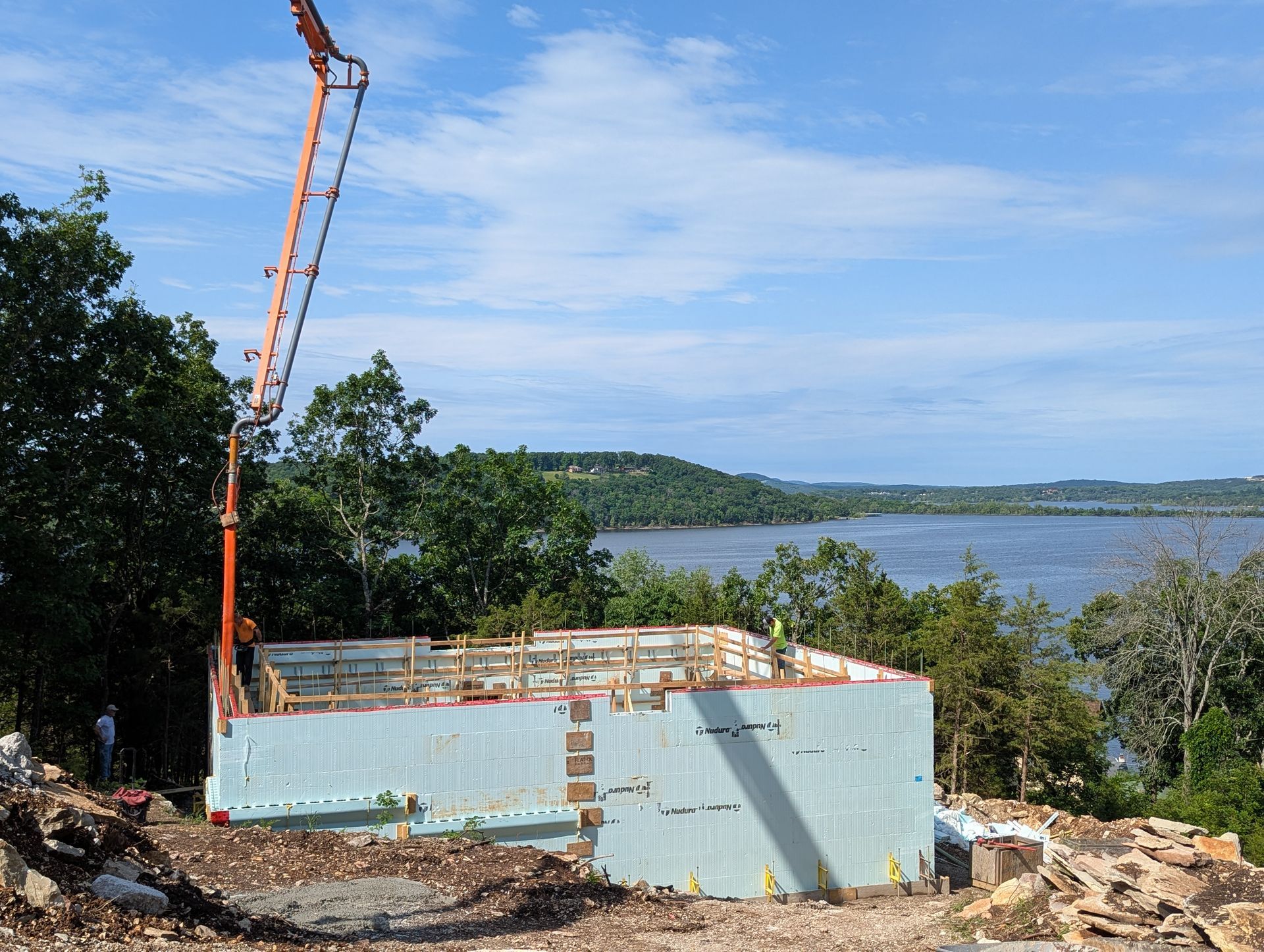
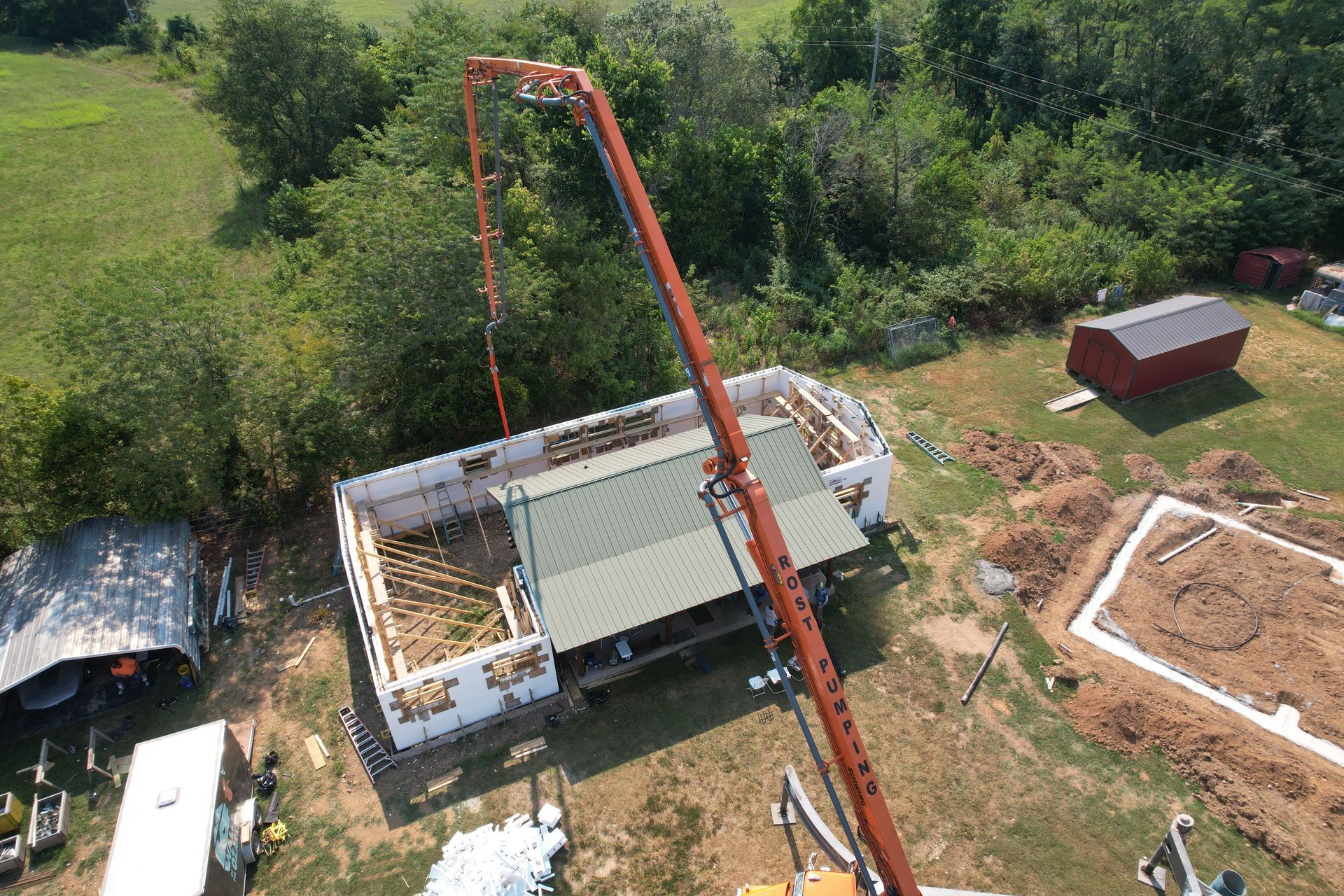
Insulated concrete forms create reinforced concrete wall systems designed to function as part of a more continuous structural assembly.
That added structural strength is one reason more homeowners around Springfield, Nixa, and Northwest Arkansas are exploring concrete homes and insulated concrete form construction instead of traditional framing.
Garage Doors, Windows, and Openings Matter More Than People Think
Large openings are often overlooked during storm planning.
Garage doors, windows, and entry systems can become vulnerable under changing pressure conditions and flying debris. Once those openings fail, internal pressure inside the structure can increase rapidly.
That is why storm resistance is rarely about one product or one upgrade.
It is about how the entire structure works together.
Why Some Homes Perform Better During Severe Weather
Not all homes are engineered the same way.
Some construction methods simply create more structural weak points than others.
| Structural Factor | Why It Matters During Storms |
|---|---|
| Roof-to-wall connections | Helps reduce roof uplift and separation during high winds |
| Continuous wall systems | Reduces weak seams and improves structural continuity |
| Engineered truss systems | Designed to better distribute wind loads across the structure |
| Reinforced openings | Helps reduce vulnerability around doors and windows |
Continuous Structural Systems Reduce Weak Points
One advantage of ICF construction is the reduction of structural seams throughout the home.
Our Legacy ICF System uses:
- Reinforced concrete wall systems
- Monolithic footing and wall pours
- Engineered truss systems
- Embedded tie-down systems
Those components are designed to work together instead of functioning as disconnected assemblies.
That continuity can improve structural performance during high-wind events while also supporting long-term durability.
Roof-to-Wall Connections Matter More Than Cosmetic Upgrades
Many homeowners focus heavily on visible finishes during the planning process.
But from a storm-performance standpoint, hidden structural details often matter far more.
Roof Tie-Down Systems
These help secure the roof structure to the walls below and reduce uplift risk during severe wind events.
Truss Engineering
Properly engineered trusses help distribute loads more effectively throughout the structure.
Reinforced Openings
Windows, garage doors, and entry points are common weak areas during storms and require proper reinforcement planning.
The Ozarks Creates Unique Building Challenges
Building in this region is different than building in many other parts of the country.
Slope conditions, rocky terrain, shifting soils, wind exposure, and seasonal weather swings all affect how homes should be planned and built.
That regional experience matters.
Especially for acreage builds around Branson, ridge properties outside Rogers, and rural homes throughout Southwest Missouri where weather exposure can vary significantly from one property to the next.
Why More Homeowners Are Researching ICF Homes in Springfield, MO
Most homeowners initially research ICF construction because of one major concern: storm resistance.
But once they begin learning more about insulated concrete forms, they usually realize the benefits extend much further.
ICF Homes Are Designed for Long-Term Performance
Compared to standard framing, reinforced concrete wall systems can help provide:
- Increased structural durability
- Better insulation performance
- Quieter interiors
- Reduced air infiltration
- Moisture resistance
- Lower long-term maintenance
The same structural systems that improve storm performance also contribute to better energy efficiency and overall home performance year round.
According to the U.S. Department of Energy, properly insulated high-performance wall systems can significantly reduce heating and cooling demands in residential homes.
Insurance and Operating Costs Are Becoming Bigger Factors
Many homeowners are also paying closer attention to:
- Monthly utility costs
- Insurance premiums
- Maintenance expenses
- Long-term ownership costs
Because reinforced concrete homes often perform better during severe weather and fire exposure, some homeowners may qualify for insurance discounts depending on the carrier and property.
The Insurance Institute for Business & Home Safety has also published extensive research showing how reinforced structural systems improve residential storm resilience.
For many families, the conversation eventually becomes less about initial construction cost alone and more about long-term value over the life of the home.
Should You Consider a Safe Room in Your Home Design?
Safe rooms are becoming increasingly common throughout the Ozarks, especially for homeowners building on rural acreage or properties farther from nearby shelter access.
Many families simply want more peace of mind during storm season.
Planning a safe room early in the design process usually allows for better structural integration and more flexibility within the home layout.
Depending on the project, safe rooms may be incorporated into:
- Basements
- Garages
- Interior reinforced spaces
- Standalone storm shelter areas
We regularly discuss safe room integration during both custom home planning and our dry-in package consultations.
Homeowners wanting to better understand how reinforced wall systems work can also explore our ICF homes page for additional information about structural performance and long-term durability.
What Should You Ask Before Hiring an ICF Builder?
This is one of the most important parts of the process.
One of the biggest concerns we repeatedly see online is homeowners trying to determine whether a contractor truly specializes in ICF construction or only handles it occasionally.
That difference matters more than many people realize.
Not Every Contractor Understands ICF Construction
ICF construction requires specialized experience involving concrete placement, wall bracing, waterproofing, engineering coordination, structural integration, sequencing, and pour management.
Mistakes during ICF installation can create serious long-term structural or moisture issues.
At ICF Walls of the Ozarks, ICF construction is not a side service or occasional upgrade option. It is the primary focus of what we build.
Questions Worth Asking Before Hiring a Builder
- How much experience do you have specifically with ICF construction?
- What roof tie-down systems do you use?
- How are wall systems reinforced?
- Do you offer engineered truss systems?
- How do you approach storm-related structural planning?
- Can safe rooms be integrated during the design process?
Those conversations are usually far more important than cosmetic upgrade discussions early in the planning process.
Look for Regional Experience
Regional experience matters heavily in the Ozarks.
Building on steep terrain near Branson is very different than building on flatter ground near Springfield or acreage properties around Northwest Arkansas.
Understanding local weather conditions, soil movement, drainage, and wind exposure plays a major role in long-term home performance.
Frequently Asked Questions About Storm Resistant Homes
Are ICF homes tornado resistant?
No home can be guaranteed tornado-proof, but reinforced concrete ICF wall systems are significantly stronger than traditional wood framing and may provide improved structural performance during severe weather.
Do ICF homes help reduce energy costs?
Yes. Many homeowners experience lower heating and cooling costs because insulated concrete forms create a more energy-efficient building envelope with reduced air infiltration.
Is ICF construction worth the additional upfront cost?
Many homeowners believe the long-term benefits outweigh the higher upfront investment because of durability, energy efficiency, reduced maintenance, and potential insurance savings over time.
Building Smarter for Ozarks Storm Season Starts With Better Construction
You cannot control the weather in the Ozarks.
But you can control how your home is built.
For many homeowners, storm season changes the conversation from simply building a house to building something stronger, more durable, and better prepared for real-world Midwest conditions.
At ICF Walls of the Ozarks, we’ve spent more than a decade specializing exclusively in reinforced ICF construction because we believe homes in this region should be engineered for long-term performance, not just minimum code requirements.
Whether you are early in the planning process or already comparing storm-resistant building options, our team is here to help you better understand what makes sense for your property, budget, and long-term goals.
You can learn more about our ICF construction services, explore our custom ICF home solutions, or contact our team here to discuss your project.