

Why Spring Is When Home Problems Start Showing Up in Missouri (And How to Avoid Them)
What Spring Reveals About Your Home in the Ozarks
Spring in the Ozarks is a welcome change. Warmer weather, longer days, and everything starting to green up again.
But if you’ve owned a home around Springfield or spent time in areas like Branson or Joplin through a few seasonal changes, you’ve likely noticed something else.
This is when problems start showing up.
After more than 11 years focused specifically on ICF construction, over 200 completed projects, and decades of general contracting experience, we’ve seen the same pattern play out every year across Southwest Missouri and into Northwest Arkansas.
Damp basements. Musty smells. Cracks that suddenly become visible.
Spring does not usually create these issues.
It reveals them.
What you are seeing now is often the result of how your home handled winter and how it was built from the start.
On This Page
Why Do Home Problems Show Up in Spring in Missouri?
Spring exposes home problems because changing soil, moisture, and temperature conditions put pressure on your foundation and structure. If there are weak points, this is when they become visible.
Why Spring Causes Foundation Problems in Missouri Homes
Spring brings multiple stress factors at once, and they all affect your home at the same time.
Soil Expansion and Ground Movement
The Ozarks sit on clay-heavy soil that expands when saturated and shrinks when dry.
As spring rain moves into the region, whether you are closer to Springfield or further out toward Bentonville, the ground begins shifting quickly. That movement puts direct pressure on your foundation.
According to the Missouri REALTORS, seasonal soil movement is one of the most common causes of foundation cracking in Missouri homes.
Hydrostatic Pressure and Water Intrusion
As the ground becomes saturated, water builds pressure around your home.
This hydrostatic pressure forces water into even the smallest gaps.
The U.S. Environmental Protection Agency explains that poor drainage and saturated soil are leading causes of basement moisture and structural damage over time.
Temperature Fluctuations
Spring temperatures across the Ozarks can shift quickly between warm days and cool nights.
That constant expansion and contraction stresses materials and exposes weak points in construction.
Common Spring Home Issues Homeowners Notice
Once these conditions come together, certain problems consistently show up.
Water Intrusion in Basements or Crawlspaces
Moisture issues often appear first.
It may start as dampness or a musty smell, but over time can lead to mold and structural damage.
Musty Odors and Humidity Changes
Even without visible water, increased moisture can change how your home feels.
That usually indicates moisture entering areas it should not.
Hairline Cracks Becoming More Visible
Cracks that formed earlier often become more noticeable as the ground shifts.
Minor Shifting or Settling
Homes throughout the region, including areas like Rogers or Branson, often show small signs of settling this time of year such as sticking doors or slight floor changes.
What Actually Causes These Problems in Missouri Homes
These issues are rarely random.
They typically come down to how the home was built.
Seams and Weak Points
Traditional construction relies on multiple joints and connection points, each one a potential entry point.
Moisture-Sensitive Materials
Wood and similar materials absorb moisture, leading to long-term weakening.
Inconsistent Waterproofing
Below-grade waterproofing gaps often do not show up until spring conditions put pressure on the structure.
Structural Systems That Struggle With Soil Movement
Some building methods simply are not designed for the soil conditions found across the Ozarks and into Northwest Arkansas.
How to Avoid These Issues When Building in the Ozarks
The good news is these problems are preventable.
Reduce Seams and Weak Points
Fewer joints mean fewer opportunities for failure.
Our ICF installation services are designed around creating a more continuous structure.
Use Materials That Resist Moisture
Choosing materials that do not absorb water helps protect the structure long term, especially in areas where spring moisture is consistent year after year.
Build a Continuous Structural System
A unified system creates strength from the ground up instead of relying on separate components.
Plan for Real Missouri Conditions
Building for actual weather patterns across the Ozarks and nearby Northwest Arkansas communities leads to better long-term performance.
Why Our Building Approach Prevents These Problems
This is exactly why we build the way we do.
Our system is designed to eliminate the conditions that cause these problems in the first place.
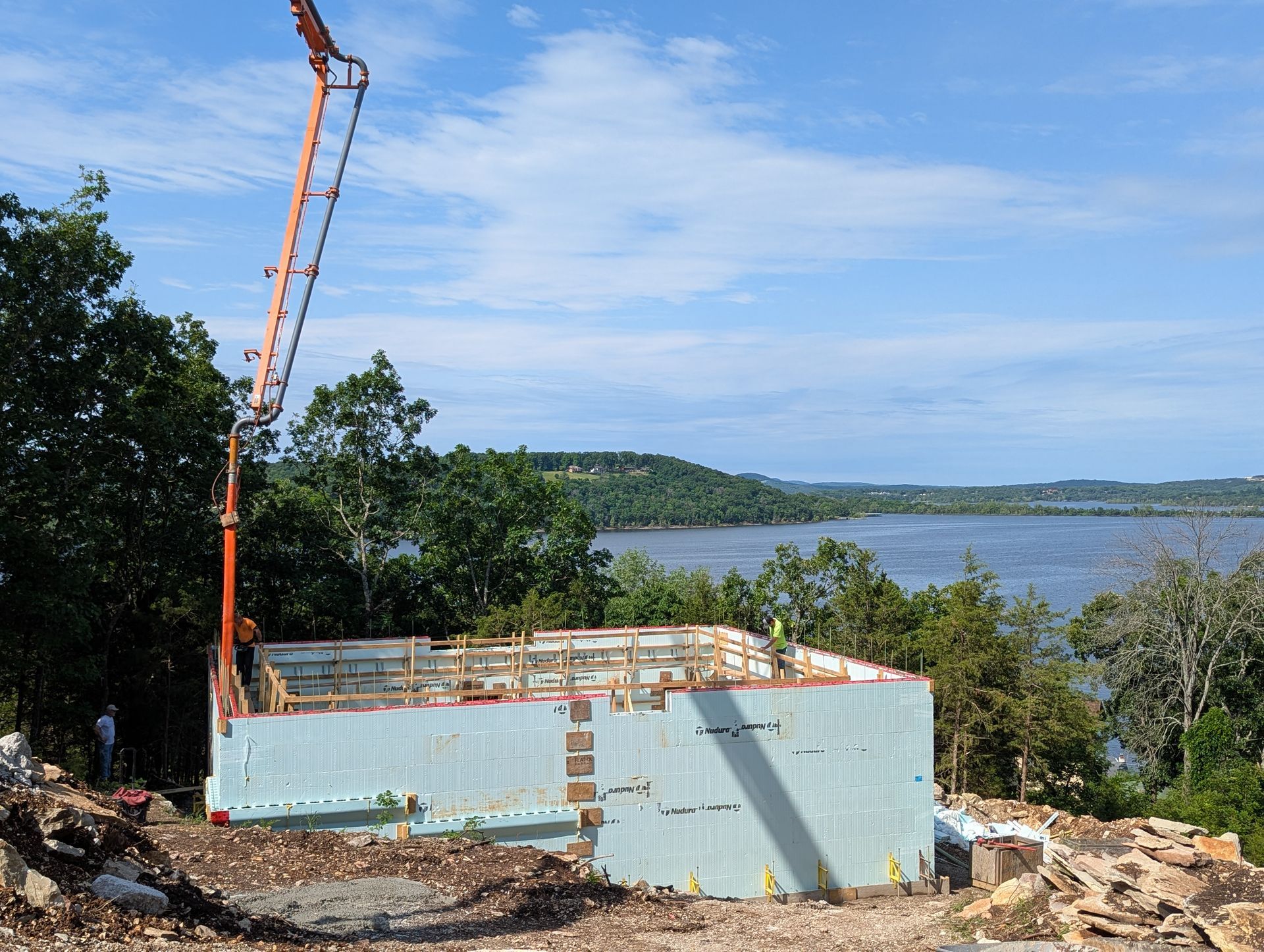
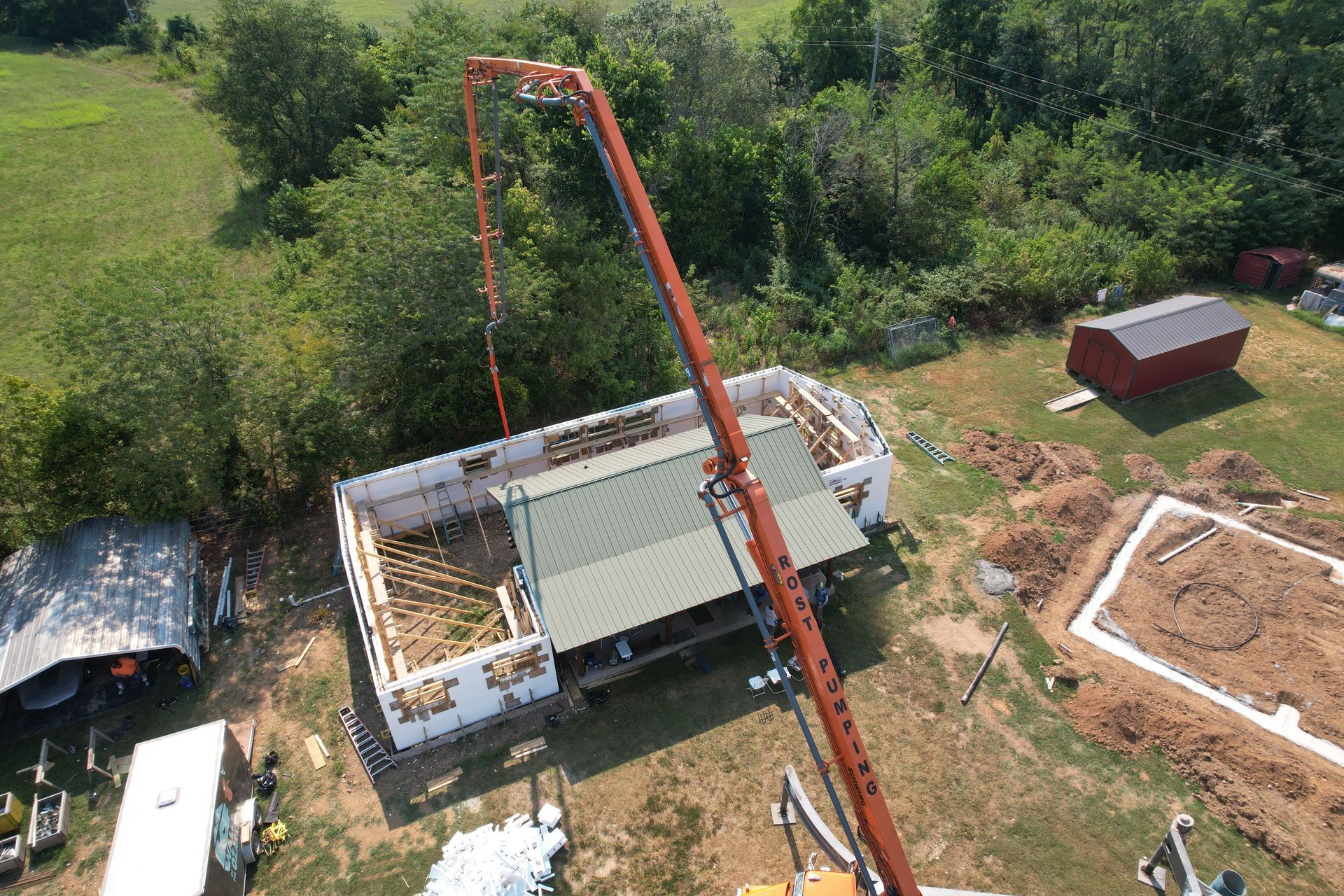
Using ICF allows us to create:
- A monolithic footing and wall pour
- Fewer seams and weak points
- Waterproofing built directly into the structure
- A stronger connection from foundation to roof
For many homeowners, starting with a dry-in package is the most effective way to secure that structure early.
You can also explore more about our approach on our ICF home construction process page.
Why Spring Is the Right Time to Plan Your Build
Spring is when problems show up, but it is also when better decisions start.
You Can Learn From What You’re Seeing
If your home is showing stress now, it provides valuable insight into what to avoid.
You Get Ahead of Demand
Construction demand increases quickly this time of year, whether projects are happening closer to Joplin or expanding into growing areas like Bentonville and Rogers.
You Can Lock In Structure Early
Getting a home dried in early protects it and keeps projects moving forward.
Frequently Asked Questions About Spring Home Problems
Is it normal to see foundation cracks in spring in Missouri?
Yes. Soil expansion and moisture changes often make cracks more visible, but they should always be evaluated.
Why do basements leak more during spring?
Saturated soil creates pressure that forces water through weak points.
Can these problems be prevented with better construction?
Yes. The materials and building method you choose play a major role in long-term performance.